The Slate vs Ford Fathom debate might be settled by this one key tech feature
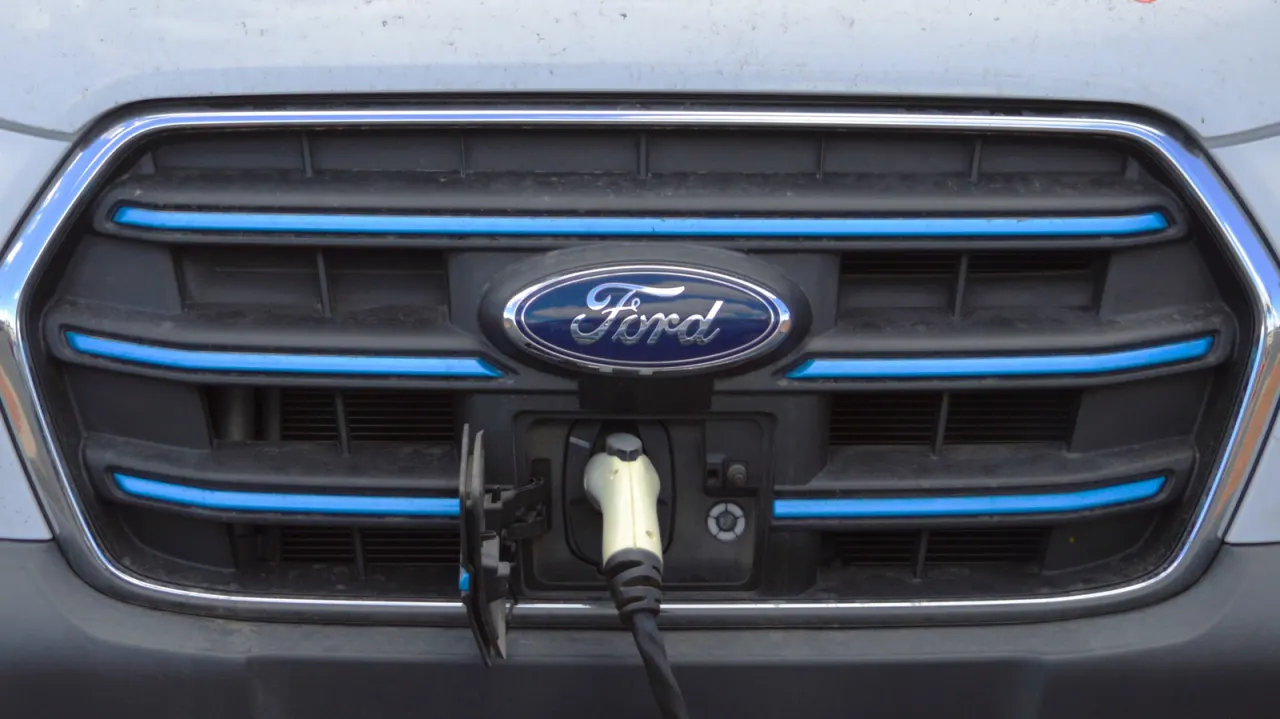
Ford’s upcoming Fathom and Slate’s Blank Slate are both aimed at buyers seeking an electric pickup for under $30,000, but they take different approaches to the cabin. Ford plans to include a touchscreen with Apple CarPlay and Android Auto, while Slate expects drivers to use their own phone or tablet for navigation, music and other apps.
The Blank Slate starts at $24,950 plus a $1,450 destination charge; the five-seat Fathom starts at $28,350 plus $1,595. Slate says owners can transfer software updates from a phone to the truck, and offers optional speakers and a tablet bracket. Ford also plans a digital key, bidirectional power and hardware for its next-generation BlueCruise system, which requires activation, but has not announced the Fathom’s range, towing capacity or payload. A Deloitte survey of more than 31,000 consumers across 30 countries found that 63 per cent of US respondents considered CarPlay or Android Auto somewhat or very important in their next vehicle.
In short
- Ford’s Fathom will have CarPlay and Android Auto.
- Slate expects owners to use their own devices.
- The Fathom’s range and towing capacity remain unannounced.
Steelman: both sides, in good faith
The strongest fair case each way — we don't pick a winner.
The case for
Ford’s built-in touchscreen and support for CarPlay and Android Auto may make everyday tasks more convenient and familiar, especially for drivers who value seamless navigation, music and app access. The survey suggests many US buyers consider phone integration important, so including it could help make an affordable electric truck practical for a wider range of people.
The case against
Slate’s phone or tablet approach may help keep the truck’s starting price lower and let owners use devices and apps they already know, rather than rely on a separate in-car system. Buyers who prefer flexibility, or who do not want to pay for a built-in screen they may rarely use, could see Slate’s simpler cabin as a better fit; Ford’s announced technology may also bring added features whose value depends on their cost and availability.
Explained simply
Apple CarPlay and Android Auto let drivers connect a smartphone to a vehicle’s screen to use apps such as maps and music. Some new vehicles include this screen as standard, while others rely more on drivers bringing their own device.
Ford and Slate are developing electric pickups priced below $30,000, but have different plans for in-cabin technology. Slate’s approach makes a phone or tablet central to using apps, while Ford plans a touchscreen with phone integration.
The choice matters because buyers may value built-in screens and familiar apps differently, and these features can shape how a vehicle feels to use day to day. A Deloitte survey found that 63 per cent of US respondents considered CarPlay or Android Auto somewhat or very important in their next vehicle.