Culture news and discussion on TalkFuse.
‘The threat evolves, and so we have to evolve with it’: DHS tests counter-drone weapons on reservation with focus on kinetic options
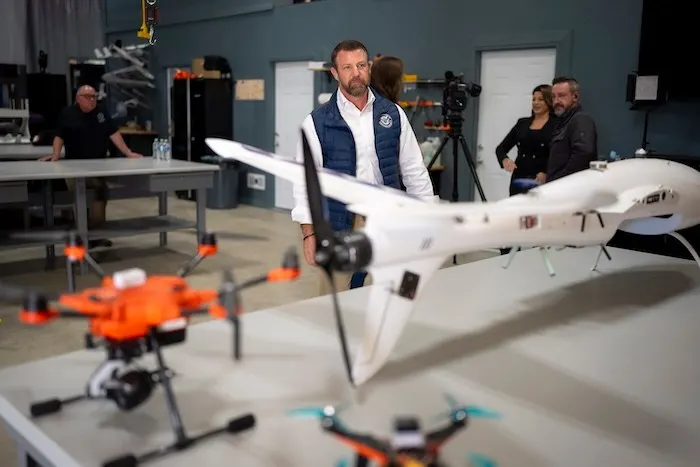
The US Department of Homeland Security tested ways to stop hostile drones at a new site on the Choctaw Nation reservation in Oklahoma. The two-week exercise focused on physical interception, giving DHS another option when electronic countermeasures are unsuitable, while highlighting the need to protect people and aircraft from falling debris.
The Choctaw Nation’s Emerging Aviation Technology Center, known as Daisy Ranch, is the only tribal-owned FAA-designated drone testing site and covers more than 44,000 acres. During the World Cup, DHS brought down about 2,000 drones and confiscated 700; officials are now preparing with partners for the 2028 Los Angeles Olympics.
In short
- DHS tested physical ways to intercept drones.
- The trial took place at a Choctaw Nation site.
- Officials cited about 2,000 drones brought down during the World Cup.
Steelman: both sides, in good faith
The strongest fair case each way — we don't pick a winner.
The case for
Testing kinetic counter-drone systems gives authorities another way to stop hostile drones when electronic measures are unsuitable, and may help prepare for major events where drones could threaten public safety or aircraft. Developing and practising these options in advance can help responders adapt as the risks evolve.
The case against
Physical interception can send drones or interceptor components falling, creating hazards for people, property and aircraft; testing should therefore establish that these risks can be managed before such systems are used in populated or busy airspace. Investment in kinetic options also merits scrutiny alongside other responses, so that preparedness does not outpace evidence of effectiveness or adequate safeguards.