Politics news and discussion on TalkFuse.
Trump administration plans to make it harder to get grocery assistance
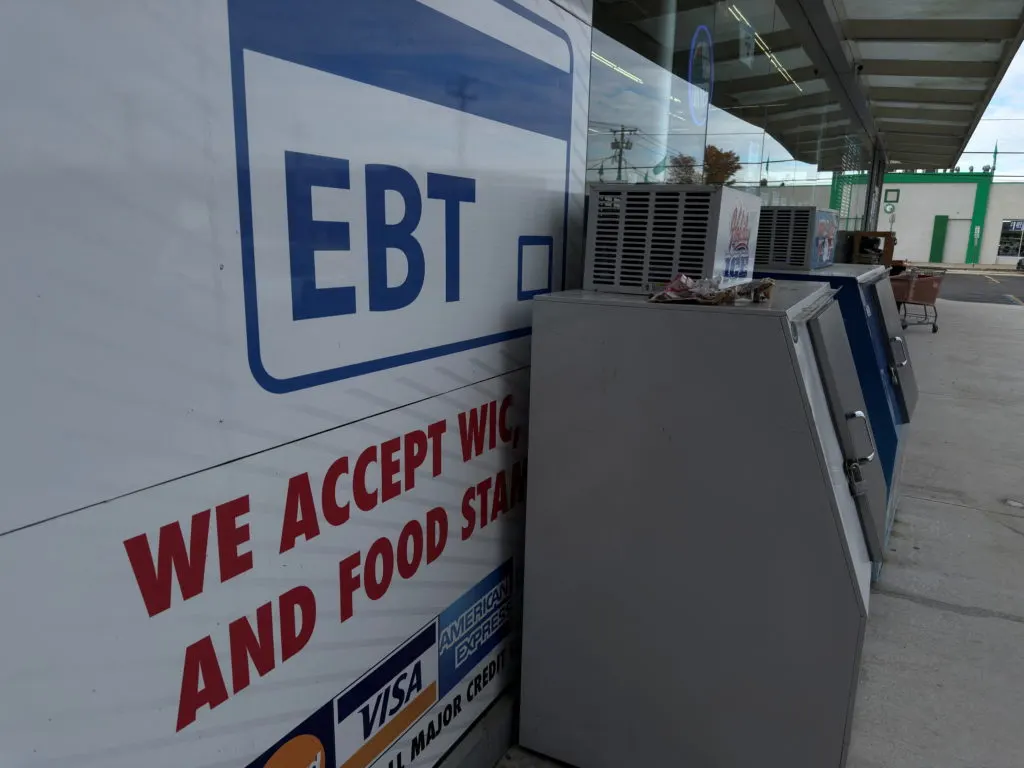
The Trump administration has proposed changing the rules for the Supplemental Nutrition Assistance Program (SNAP), making it harder for some people who receive state benefits through Temporary Assistance for Needy Families to qualify automatically for food aid. The administration says the change would close a loophole, while critics argue it would limit states’ ability to help low-income working families.
The US Department of Agriculture estimates that about 6.3 million people could lose SNAP eligibility by 2029 if the proposal takes effect, in addition to 5.5 million who have already lost benefits over the past year. The proposal would also affect nearly 1.8 million children whose families lose SNAP, though the department says 97% would remain eligible for free or reduced-price school meals through another route. The government is seeking public comment, and any change would take about two years to come fully into effect.
In short
- SNAP rules could tighten for people qualifying through state assistance.
- USDA estimates 6.3 million could lose eligibility by 2029.
- Most affected children would still qualify for school meals.
Steelman: both sides, in good faith
The strongest fair case each way — we don't pick a winner.
The case for
Supporters argue that automatic eligibility through TANF can allow people to qualify for SNAP without meeting the programme’s intended income and resource tests, and that tightening the rules would focus limited public funds on those who meet them. They may also point to other routes to school meals and say the proposal gives the public a chance to weigh in before any change takes effect.
The case against
Critics argue that states use TANF-linked eligibility to make food assistance more accessible to low-income working families, including households whose earnings or circumstances can change quickly. They warn that removing this route could leave millions without help with groceries and affect children, even when families remain in need; they also question whether alternative school-meal eligibility makes up for losing broader food support.