Trump demands throw Senate GOP into disarray
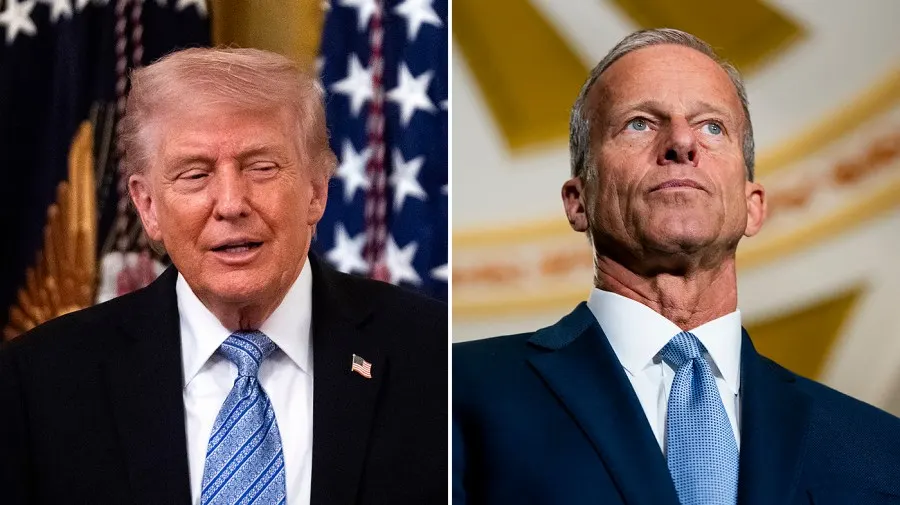
President Trump has urged Senate Republicans to cancel their August recess until they pass the SAVE America Act, escalating tensions with Senate Majority Leader John Thune and his conference. The dispute matters because it exposes divisions within the Republican Party over the limits of presidential pressure, Senate procedure and the party’s legislative priorities ahead of the midterm elections.
The proposed voting legislation would require proof of citizenship for federal voter registration and impose further restrictions on voting. It lacks the 60 votes normally needed to overcome a Senate filibuster; Trump has therefore also called for the filibuster to be abolished, while Thune and other Republicans have said there is insufficient support for either course. Some senators oppose cancelling recess because the bill has no clear route to passage.
- Trump wants senators to stay until voting legislation passes.
- Senate Republicans lack the votes to advance it.
- The demand has deepened tensions with Thune.
Both sides, in good faith
The strongest fair case each way — we don't pick a winner.
The case for
Supporters of cancelling the recess argue that both matters at hand are genuinely urgent and cannot wait: funding decisions tied to an active military engagement carry real consequences for troops and allies, and election-integrity legislation deserves swift action ahead of future contests. They see the Senate's role as being responsive to a President who was elected on a clear mandate, and argue that visible action and legislative effectiveness, rather than a traditional summer break, is what voters actually reward at the ballot box.
The case against
Those wary of the demand argue that the August recess is not an indulgence but a core part of representative democracy, giving senators essential time to meet constituents and hear concerns directly rather than filtering everything through Washington. They worry that compressing debate on a war-funding package and a major voting bill into a rushed timetable driven by presidential pressure risks poor legislative outcomes and undermines the Senate's institutional independence, while also noting that pulling vulnerable incumbents away from their districts before an election could cost the party seats it needs to hold its majority.