World news and discussion on TalkFuse.
Trump, Xi and Putin have a shared vision of global power – with no place for Europe | Rafael Behr
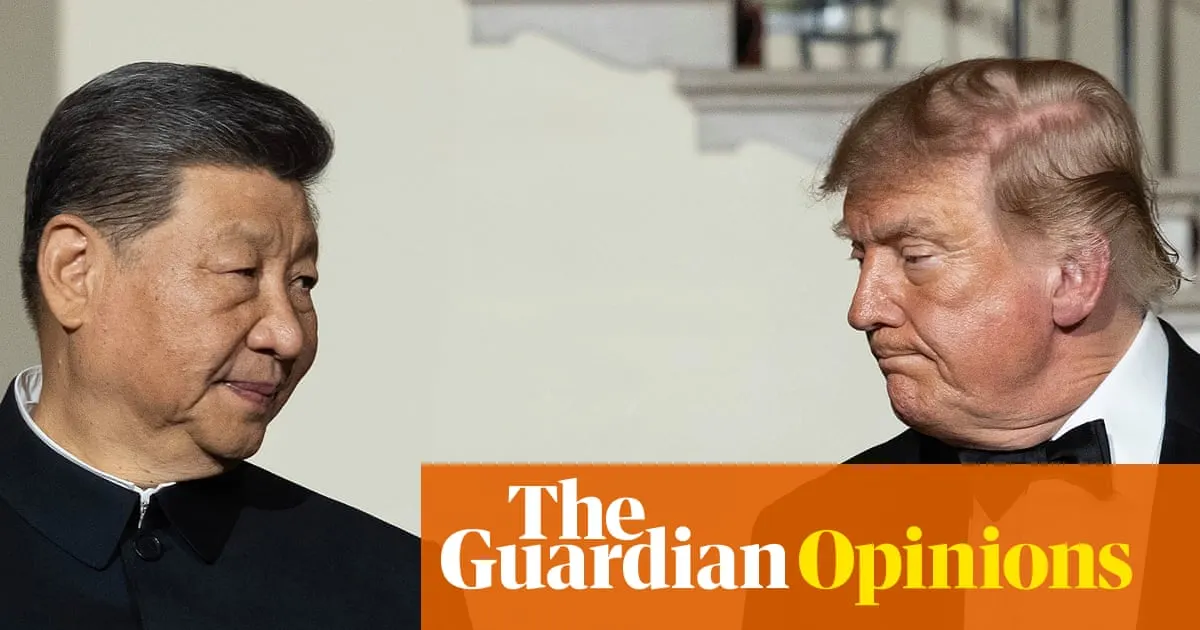
The article argues that Donald Trump, Vladimir Putin and Xi Jinping share a view of global power centred on strong leaders and major powers, leaving European democracies with little influence. A planned three-way summit in Shenzhen matters to Putin because it gives Russia the appearance of parity with the United States and China, even if the meeting produces no concrete agreement.
The agenda is unclear: Xi’s government has cited peace and strategic stability, while Trump has mentioned nuclear disarmament, Iran, trade and Ukraine. The exclusion of European leaders has sharpened concerns that they lack a united position and diplomatic weight in any negotiations over Ukraine. The article says Britain should work more closely with its European neighbours to build that influence.
In short
- A Trump, Xi and Putin summit could project a new order led by major powers.
- Europe’s absence highlights its difficulty acting as a united diplomatic force.
- The article argues Britain should make common cause with its neighbours.
Steelman: both sides, in good faith
The strongest fair case each way — we don't pick a winner.
The case for
A summit among the United States, China and Russia could give leaders with direct influence over major security disputes a chance to discuss nuclear risks, trade and Ukraine. Supporters of prioritising these powers might argue that diplomacy can be useful even without immediate agreements, and that Europe’s influence will depend partly on whether it can present a coherent position and contribute to negotiations.
The case against
A format centred on three powerful leaders risks treating international affairs as a bargain among great powers and sidelining countries whose security is at stake, including Ukraine and European states. Critics may argue that Russia gains an image of equal standing with Washington and Beijing without making concessions, while Europe’s exclusion weakens its ability to shape any settlement; closer European coordination could help address that imbalance.
Explained simply
Donald Trump leads the United States, Xi Jinping leads China and Vladimir Putin leads Russia. Together, these countries have major military and economic power, and their leaders can shape decisions about conflicts and international relations.
Europe’s influence is exercised largely through its countries working together, including in the European Union and NATO. If European leaders are not involved in talks about security or Ukraine, they may have less say in decisions that affect the continent.
Britain is outside the European Union but remains a European country and a member of NATO. Its ability to influence international negotiations can depend partly on how closely it works with other European governments.
Europe Geopolitics Politics UK World