World news and discussion on TalkFuse.
Trump’s defeat fuels concerns in Israel over the future of its alliance with the US
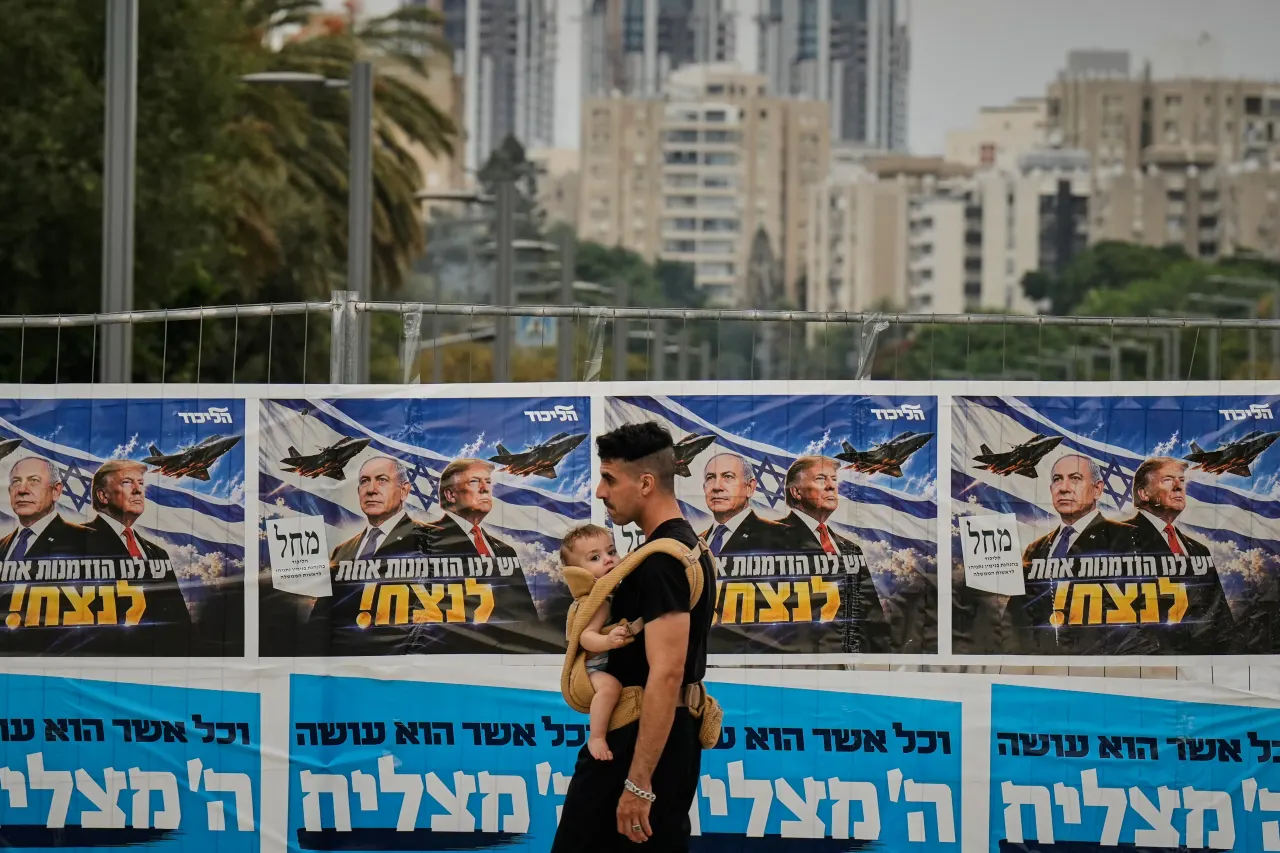
US Republican Vice President J. D. Vance linked his party’s midterm defeat partly to the war launched by Donald Trump and Benjamin Netanyahu against Iran. The result has intensified concern in Israel about its relationship with Washington, especially after Trump announced an end to US military aid.
Israeli President Isaac Herzog said he was deeply concerned, while commentators described a generational shift in American politics, with more politicians questioning support for Israel. Vance cited changing views on Israel among four factors behind Republican voters’ shift towards Democrats. In Israel, opposition leader Gadi Eisenkot gained backing equivalent to 67 of parliament’s 120 seats, while a Netanyahu coalition partner abstained.
In short
- Vance tied the Republican defeat partly to the Iran war.
- Trump announced an end to $3.8 billion in annual Israeli military aid.
- Israeli leaders fear support for the alliance is shifting.
Steelman: both sides, in good faith
The strongest fair case each way — we don't pick a winner.
The case for
The election result and changing views among US voters give Israel reason to worry that its alliance could become less dependable, particularly if American politicians across generations are questioning support and military aid is ending. From this perspective, Israel’s security and the stability of its regional partnerships depend on a reliable US relationship, so the political shift calls for serious attention.
The case against
A US election defeat does not by itself mean the alliance is ending: voters may have shifted for several reasons, and leaders’ comments about changing attitudes do not establish what future policy will be. From this perspective, the alliance has long-standing strategic foundations, and Israel should avoid treating a temporary political setback as proof that American support will disappear.