Trump’s new spy chief confirmed by US Senate
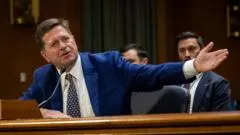
Jay Clayton has been confirmed by the US Senate as the country's new director of national intelligence, replacing Bill Pulte, who had been serving as acting director after Donald Trump's initial pick proved controversial. The vote settles weeks of uncertainty over the top intelligence post, which fell vacant after Tulsi Gabbard's departure last month, and comes as the Trump administration seeks a steadier figure to lead the intelligence community and help push through renewal of surveillance powers under the Foreign Intelligence Surveillance Act (Fisa).
The Senate backed Clayton by 51 votes to 47. He was previously US attorney for the Southern District of New York, where he handled high-profile cases including the drug trafficking prosecution of former Venezuelan president Nicolás Maduro, and has also worked as a securities regulator and federal prosecutor. Pulte, a housing official with no intelligence background, had drawn bipartisan criticism for using his other role to refer Trump's political opponents for possible prosecution and for overseeing steep staff cuts. During his confirmation hearing, Clayton faced repeated questioning over the 2020 election, insisting he was "not an election denier", though Democratic Senator Mark Warner said he still had "serious reservations" about whether Clayton would resist political pressure.
In short
- Jay Clayton confirmed 51-47 as US director of national intelligence
- He replaces Bill Pulte, criticised for lacking intelligence experience
- Confirmation may revive stalled talks on renewing Fisa surveillance powers
Steelman: both sides, in good faith
The strongest fair case each way — we don't pick a winner.
The case for
Supporters of the confirmation argue that the process has worked as it should: the Senate exercised its constitutional advice-and-consent role by rejecting a nominee it judged unqualified, and the administration responded by putting forward someone with more directly relevant experience. From this view, Jay Clayton's confirmation shows that checks and balances are functioning, that competence rather than mere loyalty can still carry the day, and that having an experienced figure atop the intelligence apparatus serves the country's security interests regardless of who nominated him.
The case against
Critics take a more cautious view, arguing that the need to withdraw an underqualified first choice reveals a pattern of prioritising personal loyalty over subject-matter expertise when filling sensitive national security posts. They contend that even a stronger second pick does not fully resolve concerns about political pressure on intelligence assessments, and that the episode underscores the importance of continued rigorous oversight to ensure the intelligence community's independence and professionalism are not compromised by political considerations.
Explained simply
The director of national intelligence oversees America's intelligence agencies and provides security assessments to the president. The position had become vacant following departures and controversy, with an acting official serving in the role until a permanent appointment could be secured.
Jay Clayton, now confirmed as the intelligence director, is a lawyer who previously led the federal prosecutor's office in New York, where he oversaw major criminal investigations. He has also worked as a financial markets regulator. His appointment ends a period in which the position lacked a permanent leader.
The director of national intelligence role is significant because it coordinates the work of different intelligence agencies and ensures their assessments reach the president and policymakers. This makes it one of the most important security positions in government, affecting how the administration receives and acts on intelligence about threats.
Americas Government Politics World