World news and discussion on TalkFuse.
Ukraine and Russia are taking the war underground as drones saturate the battlefield
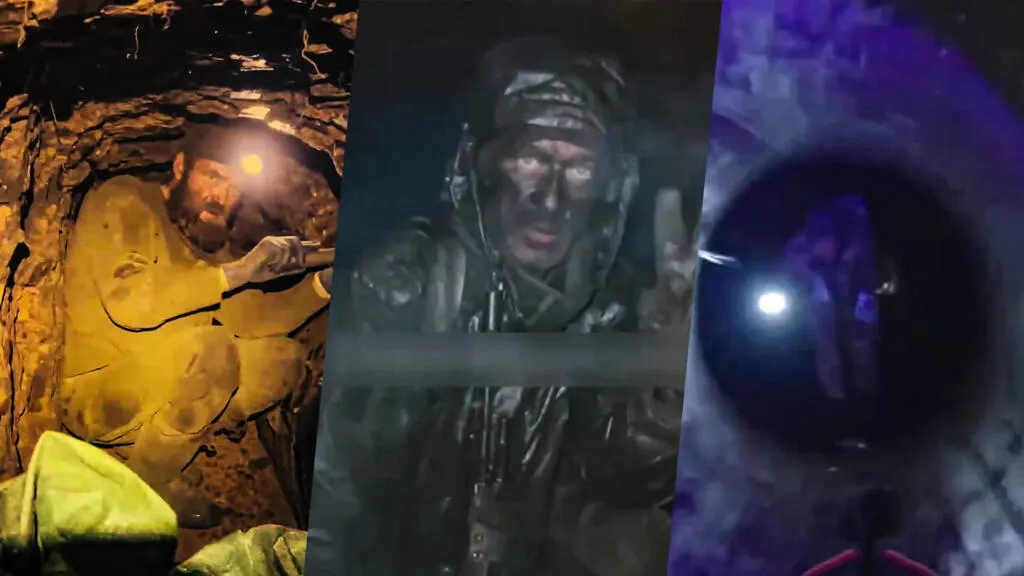
Ukraine launched Operation Veles in October, sending specially trained soldiers through a disused gas pipeline near Kupiansk to confront Russian forces. The operation marks Kyiv’s adoption of underground tactics that Russia has used for years, as drones and other threats make movement above ground more dangerous.
Ukrainian President Volodymyr Zelensky said the troops advanced 15 kilometres through a pipeline about 1.2 metres wide, secured its entrance, killed around 100 Russian soldiers and captured more than 30. Experts say both sides have used tunnels and conduits to bypass defences, including at Avdiivka and during fighting around Kursk. Such operations depend on Soviet-era pipelines and remain limited to the underground networks that exist.
In short
- Ukraine used a disused gas pipeline to advance near Kupiansk.
- Kyiv says about 100 Russian soldiers were killed.
- Underground routes offer a way to bypass battlefield defences.
Steelman: both sides, in good faith
The strongest fair case each way — we don't pick a winner.
The case for
Supporters of underground operations argue that, as drones and other weapons make movement above ground increasingly dangerous, pipelines and tunnels can offer a way to bypass defences and reach positions that would otherwise be difficult to approach. They may see Operation Veles as a tactically useful adaptation that can disrupt Russian forces, while stressing that its success depends on the mission and available infrastructure.
The case against
Critics may argue that sending troops through narrow, confined pipelines exposes them to severe risks, including ambush, entrapment and difficult evacuation, for gains that may be limited to a particular location. Because these routes depend on existing underground networks and cannot be used widely, they may view such operations as a costly expedient rather than a durable answer to the dangers posed by drones.
Explained simply
The war began in 2014, when Russia annexed Crimea and fighting broke out in eastern Ukraine; Russia launched a full-scale invasion in 2022. Volodymyr Zelensky leads Ukraine, while Vladimir Putin leads Russia. Both sides use drones to watch the battlefield and attack targets, making it harder for troops and supplies to move safely in the open.
Pipelines and tunnels can provide covered routes beneath defended areas, though they are narrow, difficult to use and only available where underground networks exist. Russia has used such routes during the war, including around Avdiivka, and both armies have also used tunnels in other battles. These tactics matter because they offer another way to move or surprise opposing forces, but they cannot replace movement above ground across the wider front.
Europe Government Politics Russia-Ukraine War World