Starlink speed limits disrupted Ukrainian drone missions without warning
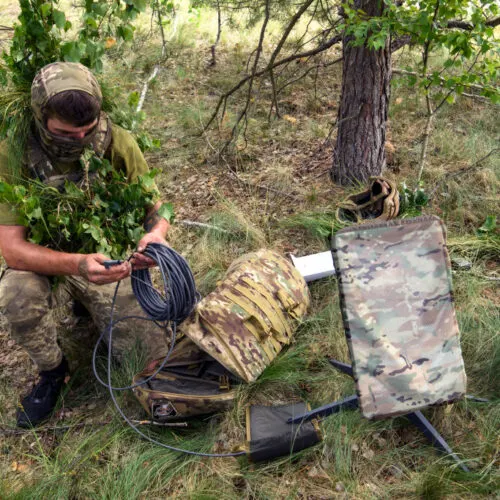
Ukrainian forces reported that unexpected speed restrictions on SpaceX’s Starlink and Starshield networks disrupted drone operations, including missions targeting Russian supply lines and efforts to intercept Russian drones. The outages have raised concern in Kyiv about the reliability of US support as Russia intensifies attacks on Ukraine’s energy infrastructure.
A Ukrainian military unit said connections could drop for 10 to 20 seconds during flights at 110 to 120 km/h, and some missions were cancelled; a senior official said terminals failed at speeds above 160 km/h. Kyiv also received no advance warning from partners about Russian missile strikes on energy facilities for a second day. Some Ukrainian officials speculated that the restrictions followed pressure from the Trump administration, but the article does not establish who ordered them; Trump denied that Washington had stopped sharing intelligence.
- Starlink restrictions disrupted Ukrainian drone missions.
- Some connections reportedly dropped for up to 20 seconds.
- Kyiv is concerned about the reliability of US support.
New here? Start with this
Starlink is a satellite internet service run by SpaceX, the company founded by Elon Musk. Ukraine’s military uses its connections to communicate with drones, which can be used for surveillance, attacks on supply routes and attempts to stop incoming drones.
The dispute sits within Ukraine’s reliance on support from the United States and other partners as it defends itself against Russia’s invasion. Reliable communications can affect how military units plan and carry out operations, while information about incoming attacks can help prepare defences.
The reports have drawn attention to who controls access to services used in the war and how dependable that access is. The reasons for the restrictions, and who ordered them, have not been established.
Both sides, in good faith
The strongest fair case each way — we don't pick a winner.
The case for
Speed limits on satellite terminals may be a reasonable safeguard against misuse, technical instability or security threats, and operators may need to adjust service as risks change. SpaceX and its partners also have legitimate operational and security constraints, while the reported disruptions do not establish who ordered the limits or why.
The case against
Abrupt restrictions on a communications system used for active defence can interrupt missions and put Ukrainian personnel and civilians at greater risk, particularly during intensified attacks on energy infrastructure. Ukraine’s partners should give timely notice and explain changes where possible, so forces can adapt and avoid relying on connections that may fail in flight.
Celebrity Entertainment Europe Space Technology World
Read the full article at the source →
Originally published by Ars Technica as “Ukraine blindsided by Starlink throttling restrictions and intelligence gaps”.