World news and discussion on TalkFuse.
US army postpones plan to detonate bomb-making chemical amid outcry
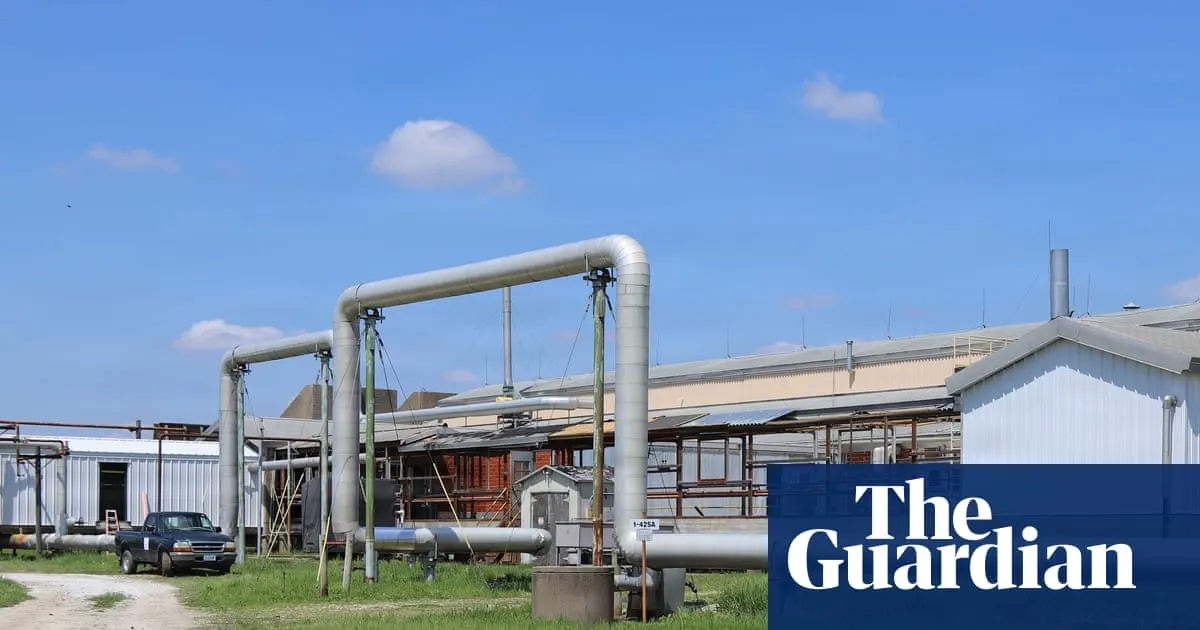
The US army has postponed a planned detonation of about five tons of lead azide at an ammunition plant in Middletown, Iowa, after residents and officials raised concerns about possible lead dust exposure and poor communication. The blast was presented as the safest way to dispose of the sensitive chemical, but uncertainty over where its plume could drift has prompted school closures and public questions about the health risks.
The detonation was originally planned for Friday and is now expected on Monday, described by the acting army secretary as the latest possible time before colder temperatures could destabilise the material. The EPA approved an emergency permit on 13 November, requiring monitoring of air and dust dispersion and five days’ public notice; maps show the plume could travel north, reaching communities well beyond Middletown, where nearly 400 people live. Residents were advised to evacuate during the blast period because vibrations could break old windows, and the army recommends cleaning surfaces afterwards.
In short
- Army delays Iowa detonation after concerns about lead dust and communication.
- About five tons of lead azide are due to be destroyed on Monday.
- Schools closed amid uncertainty over where the plume could drift.
Steelman: both sides, in good faith
The strongest fair case each way — we don't pick a winner.
The case for
The army’s case is that lead azide is highly sensitive, and detonation may be the safest available way to dispose of a large quantity before colder weather makes it less stable. An emergency permit requires air and dust monitoring, while postponing too long could increase the risk of handling or storing it.
The case against
Residents and local officials can reasonably argue that a hazardous disposal plan should not proceed until its health risks and likely plume are clearly explained and affected communities have had meaningful notice. The possibility of lead dust spreading beyond Middletown, alongside school closures and advice to evacuate and clean surfaces, makes uncertainty about exposure and public communication a serious concern.