NHTSA probes Tesla’s safety certification of fully autonomous Cybercab
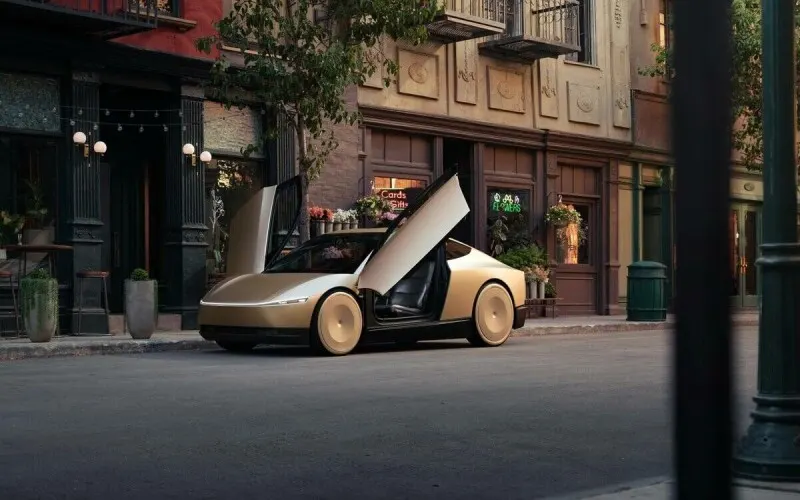
The US National Highway Traffic Safety Administration (NHTSA) has opened an investigation into how Tesla self-certified its Cybercab robotaxi, just hours after the vehicle began commercial operation on the streets of Austin, Texas. The probe centres on the Cybercab's lack of conventional manual controls, such as a steering wheel, brake pedal, accelerator or mirrors, and whether Tesla was right to determine that certain Federal Motor Vehicle Safety Standards (FMVSS) simply do not apply to the vehicle. The case matters because it tests how regulators handle autonomous vehicles built from the outset with no provision for human operation, at a moment when federal rules for such vehicles are still being updated.
Tesla had told the NHTSA it certified the Cybercab as compliant with all applicable FMVSS, but the agency has now opened a formal Audit Query to examine the process and technical data behind that self-certification. NHTSA Administrator Jonathan Morrison said the agency supports safe development of automated vehicles but must ensure the law is followed. There is some precedent for controls-free autonomous vehicles, since Amazon's Zoox was granted a two-year exemption in July 2026 capping deployments at 2,500 vehicles annually, but the NHTSA wants to understand independently how Tesla arrived at its own certification.
In short
- NHTSA is probing Tesla's self-certification of the driverless Cybercab
- Cybercab has no steering wheel, pedals or mirrors
- Investigation began hours after Austin commercial launch
Steelman: both sides, in good faith
The strongest fair case each way — we don't pick a winner.
The case for
Tesla could argue that standards for steering wheels, pedals and mirrors were designed for human-driven cars, so applying them to a vehicle built to operate autonomously may be inappropriate. If its engineering evidence shows that the Cybercab meets the safety aims of relevant standards through other means, self-certification could allow useful innovation while regulators update rules for driverless vehicles.
The case against
Critics could argue that deciding which safety standards apply is a consequential judgement that deserves close scrutiny, especially when the vehicle has no conventional controls for a person to take over. An independent audit can test whether Tesla’s technical evidence supports its interpretation of the rules and help ensure that new designs provide comparable protections before commercial deployment.
Explained simply
US vehicle safety rules set standards for features such as steering, braking and visibility. Manufacturers generally certify for themselves that their vehicles meet the standards that apply, while the National Highway Traffic Safety Administration oversees the process.
Tesla’s Cybercab is designed to drive without a human operator and has no steering wheel, pedals or mirrors. That design raises questions about how standards written around human drivers apply, and whether a maker can decide that some requirements do not apply to its vehicle.
The issue matters as regulators adapt rules for vehicles built without manual controls. Amazon’s Zoox has received a limited exemption for its controls-free vehicle, offering one example of how such designs may be treated.
Americas Cybersecurity Government Politics Technology World
Read the full article at the source →
Originally published by The Register as “US watchdog opens probe into Tesla’s Cybercab self-certification”.