Was Neanderthal life violent? This wound suggests lethal fighting was more common
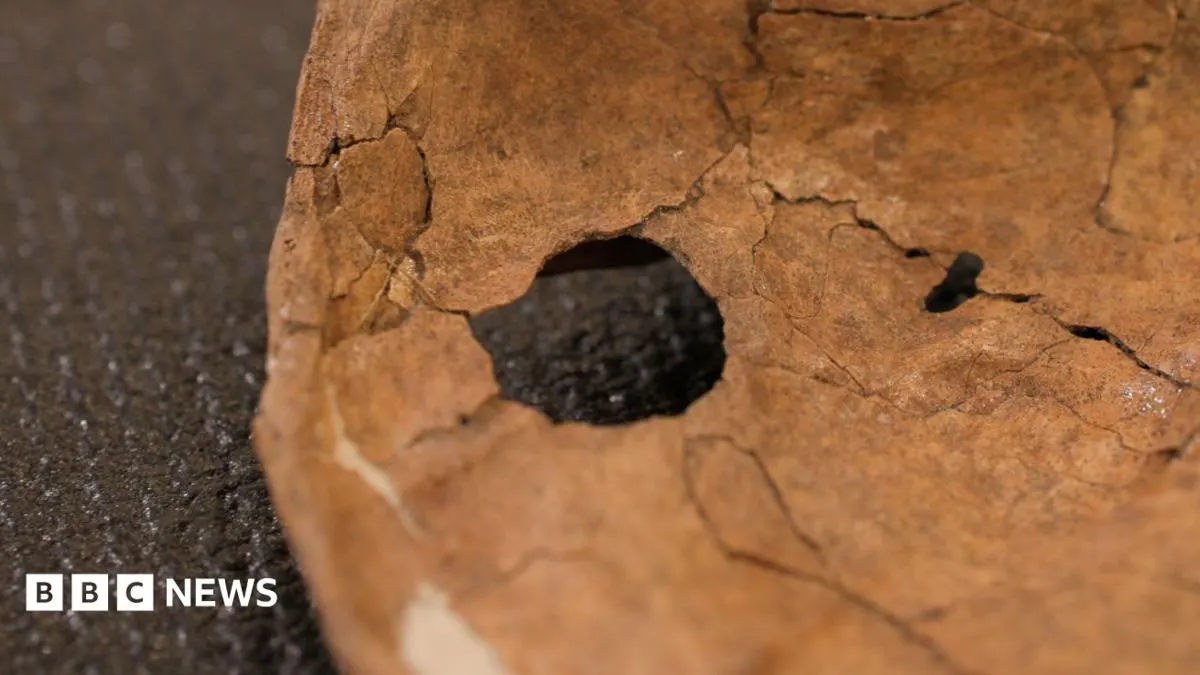
Researchers say a 15mm hole in the shoulder blade of a Neanderthal who lived about 75,000 years ago may have been made by a sharpened wooden spear. The wound’s position suggests the spear may have passed through the chest, possibly damaging a lung and major blood vessels, making the find potential evidence of lethal violence much earlier than previously established.
The remains, named Shanidar A, were found in a cave in Iraqi Kurdistan. The researchers say the injury could have happened in a hunting accident, but an outside expert considers an attack by a rival more likely. Other finds add context: a Neanderthal from the same cave, around 50,000 years ago, had a partly healed wound thought to be from a stone-tipped spear, while a 2022 study reported repeated head injuries among Neanderthals in Spain dating to about 430,000 years ago.
- A 75,000-year-old shoulder wound may have been caused by a wooden spear.
- The injury could indicate lethal violence, though a hunting accident remains possible.
- Other Neanderthal remains point to a longer history of serious injuries.
New here? Start with this
Neanderthals were an ancient human group who lived across parts of Europe and western Asia before modern humans spread widely. Shanidar A is the name given to one individual whose remains were found in a cave in Iraqi Kurdistan; the person lived about 75,000 years ago.
A shoulder blade can preserve signs of serious injury, and the reported hole may have been caused by a sharpened wooden spear. Its position suggests the weapon could have travelled through the chest, though researchers say a hunting accident is also possible.
Other Neanderthal remains show injuries that may have come from weapons or repeated blows, but their causes are not always certain. Together, such finds help researchers investigate how often violence occurred and whether it was linked to hunting, conflict between groups or other risks of daily life.
Both sides, in good faith
The strongest fair case each way — we don't pick a winner.
The case for
The wound’s position and shape are consistent with a spear passing through the chest, and damage to the lung or major blood vessels could have made it fatal. Alongside other reported injuries, the find supports the view that interpersonal violence, including attacks by rivals, was part of Neanderthal life and may have been more common than the surviving evidence once suggested.
The case against
The researchers acknowledge that the injury could have resulted from a hunting accident, and a single wound cannot establish how often Neanderthals fought or whether this case involved an attack. Its cause and lethality remain uncertain, so the find may show the limits of the archaeological record more than a change in how violent Neanderthal life generally was.