Business news and discussion on TalkFuse.
What happened to the end of democracy?
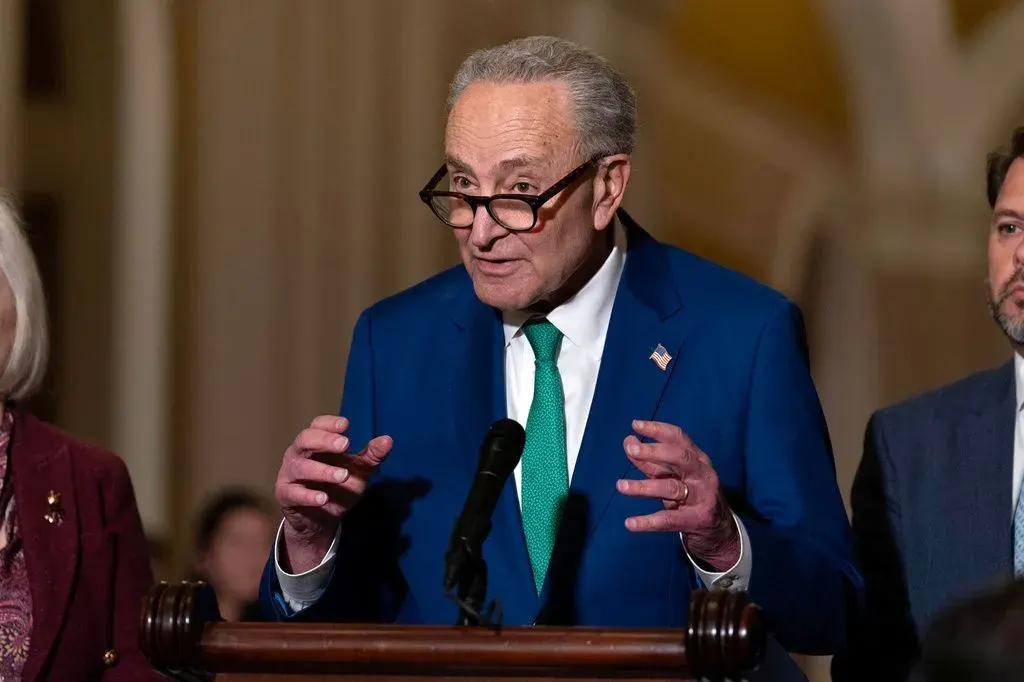
In a midterm exit poll, the state of democracy ranked second among voters’ top concerns, behind the economy. The article says that 80% of those who named democracy as their main concern voted for Democrats, interpreting this as evidence that Democratic voters were especially worried about Donald Trump’s effect on democratic institutions.
It contrasts those fears with Democratic gains in the election, which the article says would give the party close to 260 House seats and 56 Senate seats. It also cites warnings from Senate Minority Leader Chuck Schumer that Trump might cancel the vote, and notes that a New York Times essay later questioned whether predictions of democracy’s demise had been premature. The supplied text ends before that essay’s argument is explained.
In short
- Democracy was the second most cited voter concern.
- 80% of those voters backed Democrats.
- The article contrasts warnings about Trump with Democratic election gains.
Steelman: both sides, in good faith
The strongest fair case each way — we don't pick a winner.
The case for
The exit poll suggests many voters saw democracy as a central concern, and the fact that most who named it voted Democratic is consistent with fears about Trump’s impact on democratic institutions. Warnings that he might cancel an election could be understood as a serious response to perceived risks, even if those risks did not ultimately prevent Democrats from making substantial gains.
The case against
The election results and Democratic gains suggest that predictions of democracy’s imminent demise may have been overstated: voters still participated and political competition remained consequential. The poll shows how people who prioritised democracy voted, but by itself it cannot establish the scale of institutional danger or prove that Trump threatened democracy as a whole.
Business Economy Elections Government Politics