World news and discussion on TalkFuse.
‘What if joining the resistance got your friends executed?’ The chilling new films casting Nazi collaborators in a fresh light
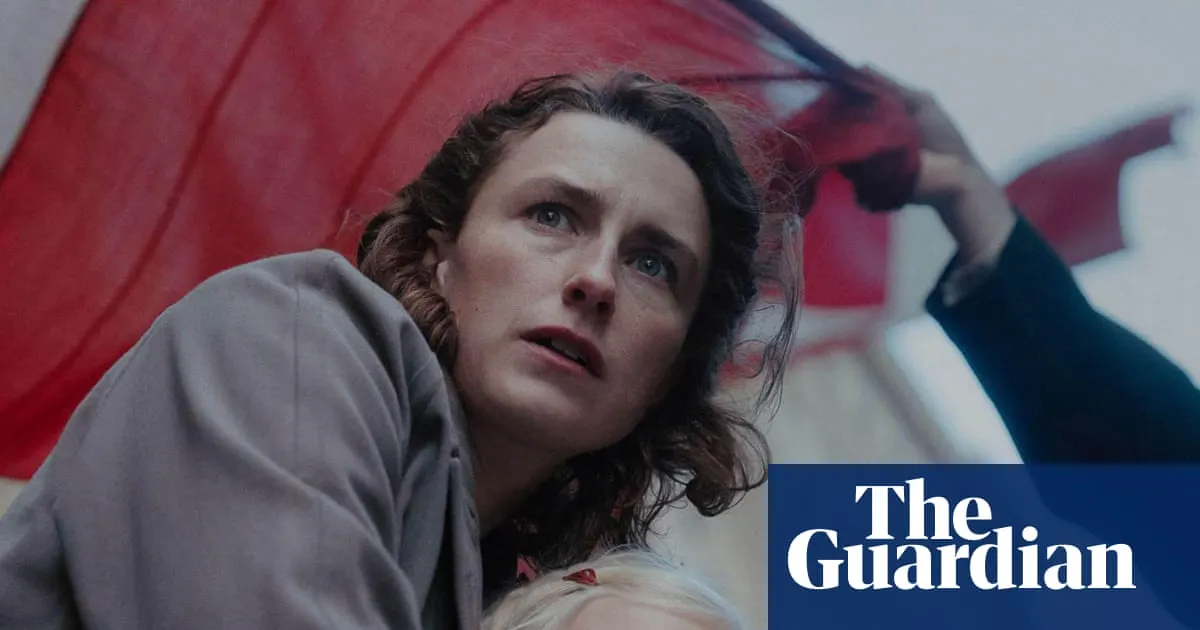
A new group of European films is portraying people who collaborated with Nazi occupiers in more sympathetic and morally complicated ways. The shift challenges postwar stories that centred on heroic resistance and matters now as far-right nationalist parties are expected to make electoral gains across Europe next year.
May el-Toukhy’s *Woman Unknown*, which won the Venice Film Festival’s Golden Lion, follows a Danish maid who fears reprisals after a relationship with a German officer; it is due in UK cinemas in March. Other films include Emmanuel Marre’s *A Man of His Time*, about a Vichy bureaucrat, and Xavier Giannoli’s sympathetic portrait of propagandist Jean Luchaire. Historian Halik Kochanski argues that armed resistance was smaller than many people imagine, and that the idea Europe liberated itself was a postwar myth.
In short
- New films explore collaboration under Nazi occupation.
- *Woman Unknown* won Venice’s Golden Lion.
- The stories revisit how Europe remembers resistance.
Steelman: both sides, in good faith
The strongest fair case each way — we don't pick a winner.
The case for
These films can deepen historical understanding by showing how occupation forced people into choices shaped by fear, coercion and responsibility for others. A more complicated portrayal challenges postwar myths of widespread heroism and invites audiences to examine how societies later simplify collaboration and resistance.
The case against
Giving collaborators a more sympathetic portrayal risks blurring the difference between acting under pressure and helping an occupying regime, including its propaganda or violence. In a climate where nationalist movements are gaining ground, critics may worry that such stories could soften public memory of collaboration and diminish the sacrifices of those who resisted.
Explained simply
During the Second World War, Nazi Germany occupied much of Europe and relied on local officials and civilians to help run occupied territories. Some people joined resistance movements, while others worked with the occupiers, for reasons including fear, survival, personal ties or political belief.
After the war, public accounts often celebrated resistance fighters and condemned collaborators. Historians have since examined how varied people’s choices were, including the risks of resistance and the reprisals it could bring to families and communities. How these choices are remembered matters as European debates about nationalism and political identity continue.
Asia Culture Entertainment Europe Film World