What was number one when the iPod was first launched in 2001?
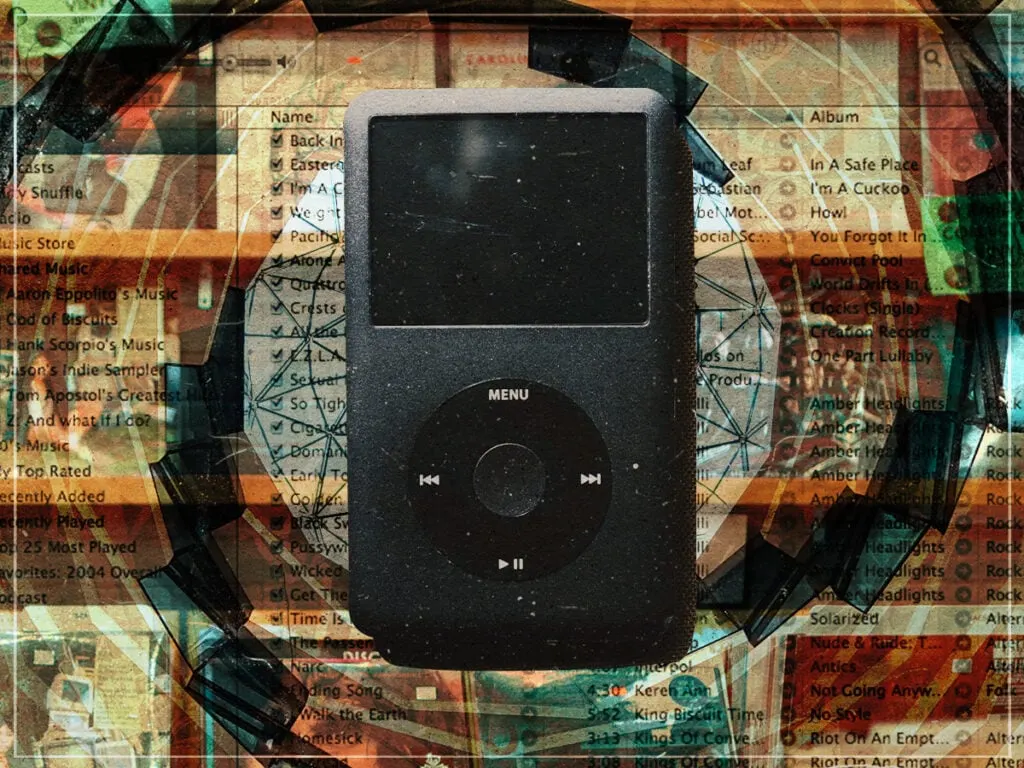
Apple’s first iPod went on sale in the United States on 10 November 2001, promising “1,000 songs in your pocket” at a time when most people still carried music on CDs. Its arrival mattered because it made large digital music collections portable and helped reshape how listeners accessed albums and individual tracks.
At $399, the first-generation iPod weighed 184 grams and was roughly deck-of-cards sized. Mary J Blige’s ‘Family Affair’, produced by Dr Dre, was number one on the US Billboard Hot 100, ahead of Jennifer Lopez and Ja Rule’s ‘I’m Real’ and Alicia Keys’ ‘Fallin’; in the UK, Afroman’s novelty hit ‘Because I Got High’ topped the singles chart. The contrast reflected differing chart tastes, while also placing the iPod’s launch amid the growing mainstream influence and variety of R&B and hip-hop.
- The iPod launched as digital music became portable.
- Mary J Blige topped the US chart.
- Afroman was number one in Britain.
New here? Start with this
When Apple introduced its first iPod in 2001, portable music usually meant carrying CDs or using a smaller player with limited storage. The iPod could hold about 1,000 songs, making it easier to take a large digital music collection on the move.
Music charts rank songs by measures such as sales and listening, and the top song could differ between countries. In the United States, R&B singer Mary J Blige was at number one, while the UK chart had a novelty song by Afroman at the top.
The iPod’s launch came as digital music was becoming more common and listeners were beginning to access music in new ways. Its small size and large capacity helped make digital collections portable and influenced how people listened to albums and individual tracks.