Guide to building a custom retro arcade cabinet
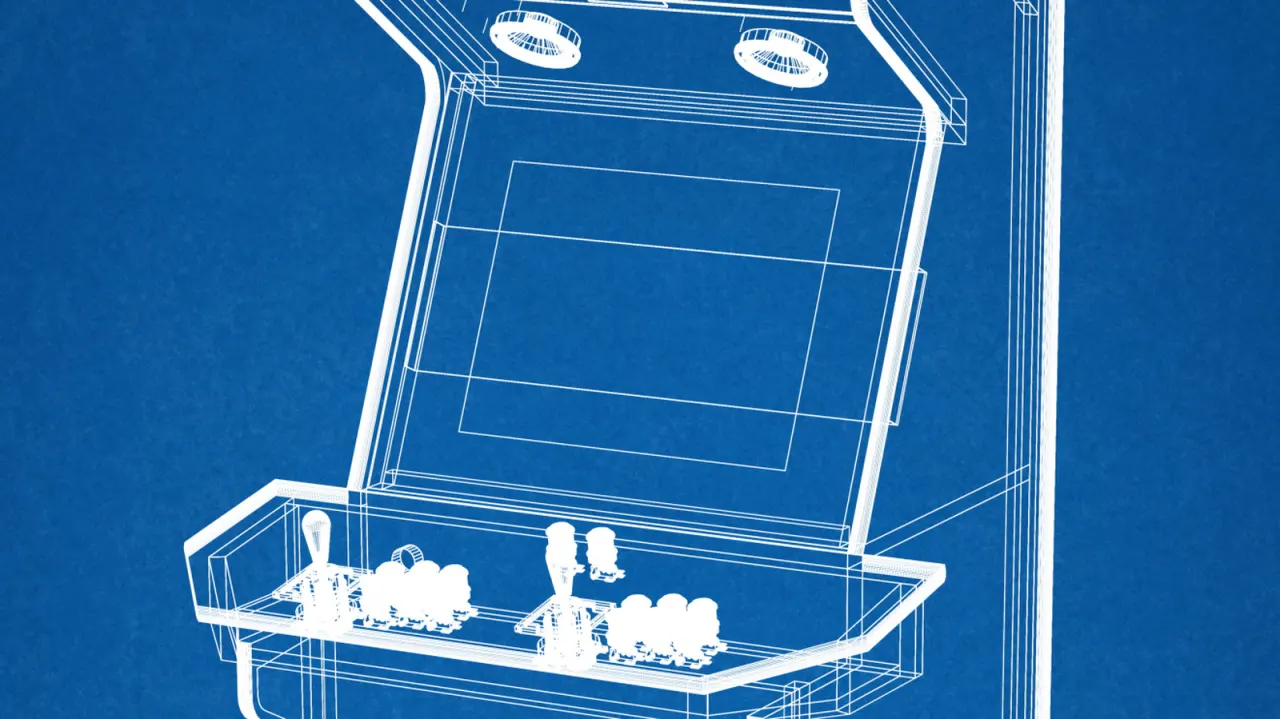
Building a retro arcade cabinet starts with deciding which games it should run, as this determines the controls, computer and size of the cabinet. Early arcade titles need simpler layouts, whereas fighting, multiplayer and specialist games may require extra buttons, trackballs or spinners; testing a proposed layout on cardboard can prevent costly mistakes.
Builders can make a wooden cabinet, buy a flat-pack kit or adapt an existing machine, then add a display, controls, USB encoder, computer, storage, audio and power equipment. A 2GB Raspberry Pi 5, priced at $65, suits many classic games, while an old PC may be better for more demanding emulation; cooling and separate audio hardware may be needed for Pi 5. Example prices put a basic new bartop build at roughly $270 before the display, storage, cables and decorative additions, although reused equipment can substantially reduce costs.
- Choose games first; controls and hardware follow.
- Raspberry Pi 5 suits many classic arcade builds.
- Reusing old hardware can cut costs substantially.
New here? Start with this
A retro arcade cabinet is a home-built machine designed to play games originally made for arcade halls. The games chosen shape the cabinet’s size and the controls it needs: a simple joystick and a few buttons may suit early titles, while other games can call for extra buttons or specialist controls.
The main parts include the cabinet, a screen, controls, a computer, storage, sound and power equipment. Builders can make the wooden cabinet, assemble a kit or adapt an existing machine; testing the control layout on cardboard can help check that it feels right before construction.
The choice of computer depends on how demanding the games are, and the total cost depends on which parts are bought new or reused. This matters because a basic build can cost more than the computer alone, with the screen and other components adding to the bill.
Entertainment Gaming Space Technology
Read the full article at the source →
Originally published by Engadget as “What you need to build your own retro arcade cabinet”.