Whatever happened to 8K TVs?
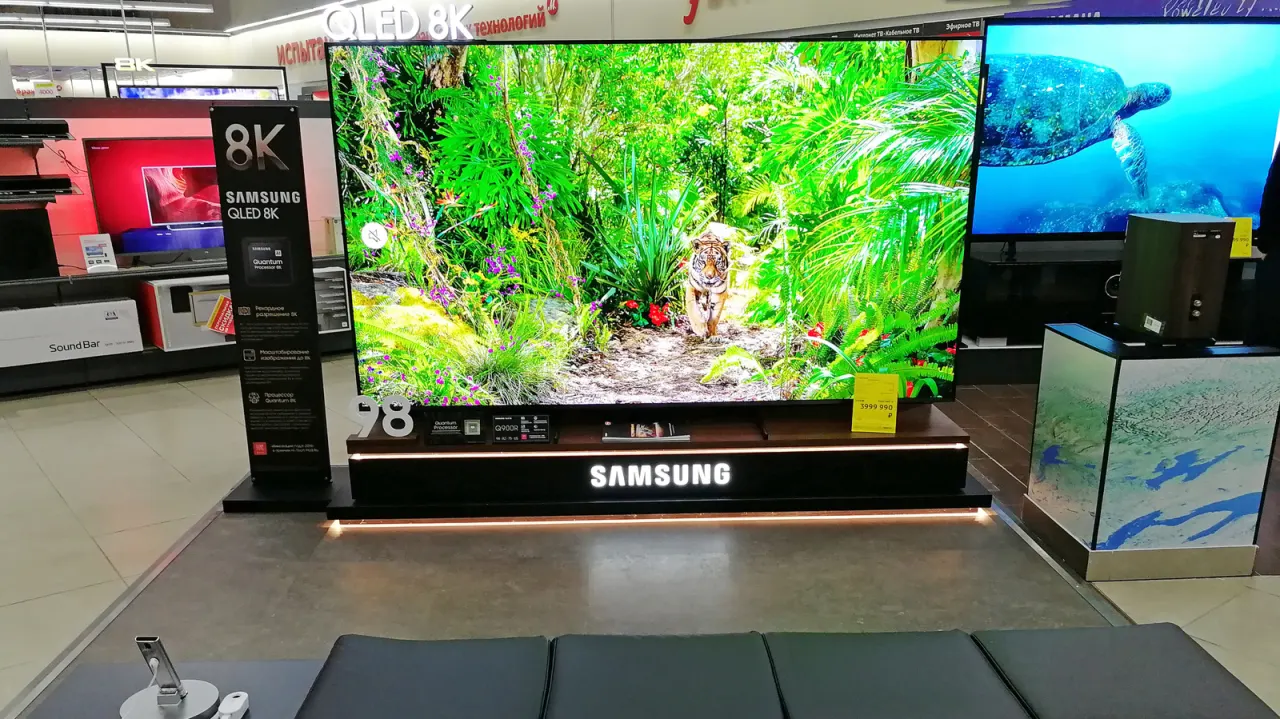
8K TVs failed to replace 4K because consumers had little reason to pay more for a sharper picture when very little native 8K content was available. The market has since contracted: LG and Sony have exited, TCL previously pulled back, and Samsung is the only major brand still offering an 8K set in its 2026 line-up.
Omdia reported nearly a billion 4K TVs in use worldwide in 2024, compared with cumulative sales of 1.6 million 8K sets since 2015; 8K sales peaked in 2022. Sets display 7,680 by 4,320 pixels, but prices ranged from $3,000 to $40,000, while streaming, broadcast and gaming options remained scarce or demanding. The benefits also depend on screen size, viewing distance and the viewer’s field of view.
In short
- 8K TV sales peaked in 2022 and never gained broad adoption.
- Scarce content and high prices weakened the case for upgrading.
- Samsung remains the only major brand with an 8K set in 2026.
Steelman: both sides, in good faith
The strongest fair case each way — we don't pick a winner.
The case for
8K TVs offered a genuine step up in resolution and could make sense for people with very large screens, close viewing distances or a strong interest in future-proofing their home cinema. Early adoption can also help establish a market that may eventually encourage more native 8K films, broadcasts and games.
The case against
For most buyers, 4K already delivered a sharp picture, while the visible benefit of 8K depended on screen size and viewing distance. High prices and scarce native content made the upgrade hard to justify, and limited demand gave manufacturers and content providers little reason to keep investing in it.
Explained simply
A TV’s resolution is the number of pixels that make up its picture. 8K screens have four times as many pixels as 4K screens, but that extra detail is easiest to notice on a large TV viewed from relatively close by.
The main TV makers and the companies that provide programmes, films and games all shape whether a new screen format catches on. 8K sets cost far more than typical 4K models, while relatively little content was made or delivered in 8K.
That left buyers with limited ways to use the extra resolution, even as 4K became widely established. Omdia counted nearly a billion 4K TVs in use worldwide in 2024, compared with 1.6 million 8K sets sold cumulatively since 2015.