World news and discussion on TalkFuse.
Bipartisan resistance prompts withdrawal of Overton’s FDA nomination before vote
Developed over time first seen 18 hours ago
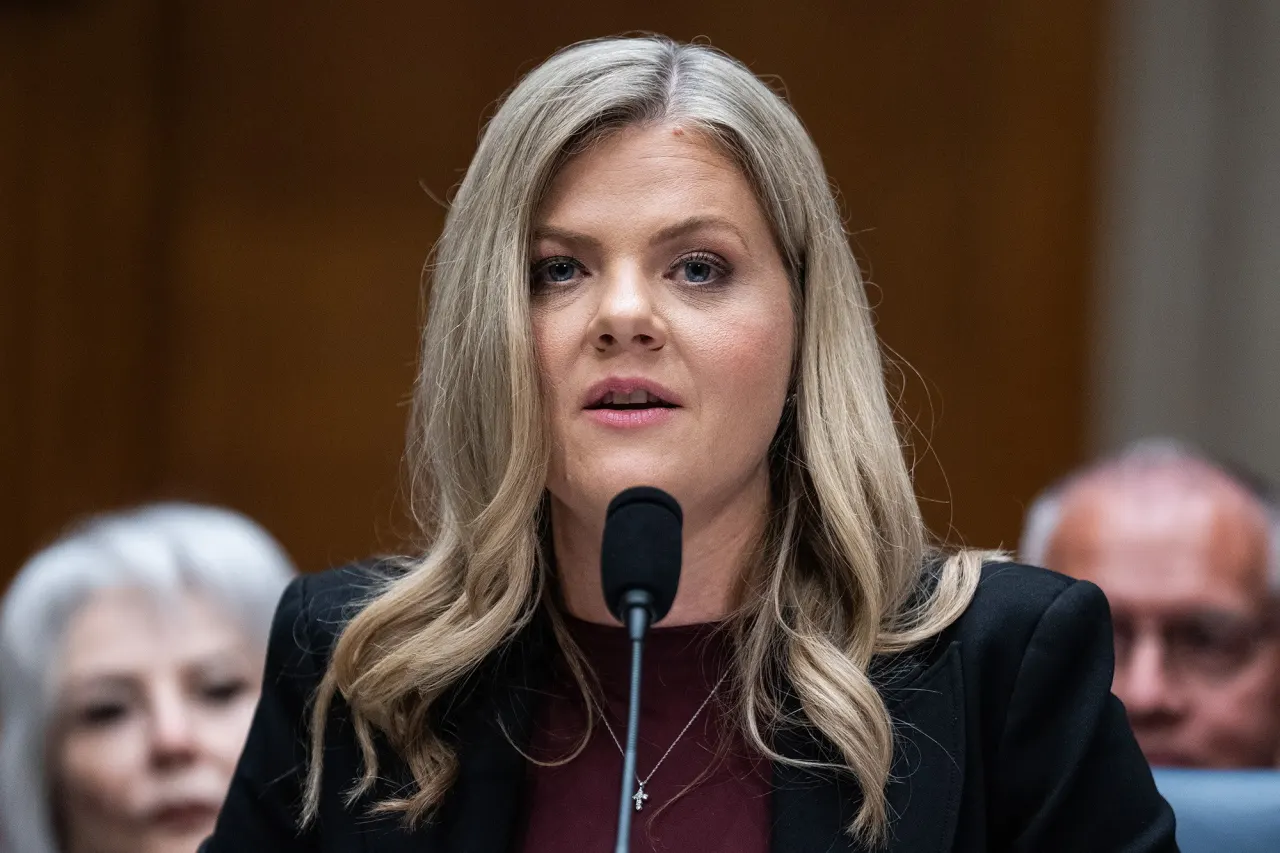
The White House withdrew Heidi Overton’s nomination to lead the Food and Drug Administration on the eve of a Senate committee vote, after she failed to secure enough support. The decision followed bipartisan resistance and leaves the administration to choose a new nominee for the agency.
Overton, a physician and deputy director of the White House Domestic Policy Council, was nominated in August. Critics raised concerns about her alleged tobacco industry ties, support for vaping, lack of managerial experience and role in efforts to change childhood vaccine guidelines; her past criticism of the abortion pill mifepristone also drew scrutiny. At her hearing, she acknowledged the drug was FDA-approved and said she would follow statutory safety and efficacy standards. Senator Roger Marshall is reportedly being considered for the vacancy.
- Sources
- 2
- Outlets
- 2
- Left · Centre · Right
- 1 · 0 · 1
In short
- The White House withdrew Overton’s FDA nomination before a Senate committee vote.
- Bipartisan concerns left her without enough support.
- Senator Roger Marshall is reportedly a possible replacement.
How this story developed
- 8 hours ago New reporting highlighted the breadth of bipartisan resistance to Overton, while critics’ concerns about her alleged tobacco industry ties, support for vaping and anti-abortion views remained central to the opposition.
- 14 hours ago Further scrutiny of Overton’s record included concerns about her management experience, vaccine policy work and criticism of the abortion pill mifepristone; Senator Roger Marshall was reportedly under consideration for the vacancy.
- 17 hours ago The White House withdrew physician Heidi Overton’s nomination to lead the FDA a day before her confirmation vote, after she failed to win enough Senate support amid cross-party opposition.
Full account
The White House withdrew Heidi Overton’s nomination to lead the Food and Drug Administration (FDA) on Tuesday, a day before the Senate health committee was due to consider it. An administration official told Axios that she lacked enough support to proceed; a White House official separately confirmed the decision to the New York Post and the Guardian. Overton, a physician and deputy director of the White House Domestic Policy Council, was nominated by Donald Trump in August.
Her nomination drew scrutiny from both parties, particularly over her independence from the president and her views on vaccines. Bill Cassidy, the Republican chair of the Senate health committee, had questioned her management experience and her involvement in efforts to change childhood vaccine guidance. He had also described her backing for separating combination vaccines, including the measles, mumps and rubella jab, as nearly disqualifying. The Guardian emphasised Cassidy’s concern about whether Overton would challenge Trump and health secretary Robert F Kennedy Jr on vaccine claims; the New York Post highlighted Cassidy’s criticism of her experience and vaccine-policy role.
Overton’s record on abortion medication was another point of contention. In a 2023 policy brief, she advocated stricter regulation of mifepristone and criticised policies allowing abortion pills to be sent by post. At her confirmation hearing, she acknowledged that the drug had been approved by the FDA after meeting its safety and efficacy standards, and said she would follow the statutory standards. Reproductive Freedom for All welcomed the withdrawal, while SBA Pro-Life America said it would seek policy commitments from a replacement nominee, including on the FDA’s review of abortion-drug safety.
Overton’s confirmation prospects were narrow: according to the Guardian, she needed the support of all 12 Republicans on the committee, where Democrats hold 11 seats, to advance. The withdrawal came amid a wider effort by Republicans to confirm Trump’s nominees before Democrats take control of the Senate in January. The New York Post placed the nomination in the context of the FDA’s recent leadership change, reporting that former commissioner Marty Makary resigned after friction with Trump over the pace of decisions on flavoured e-cigarettes. The Guardian described Overton as a Trump ally chosen after a turbulent year at the agency.
Where outlets differ
From the full account, which is AI-written from the sources:
Axios and the New York Post reported that an administration official said Overton did not have sufficient support; the Guardian reported confirmation from a White House official but focused more on the political and Senate arithmetic behind the decision.
The New York Post gave more attention to objections concerning Overton’s management experience, vaping and abortion views, and quoted an anti-abortion group calling for commitments from her successor. The Guardian foregrounded bipartisan doubts about her scientific independence, the committee votes required, and opposition from a reproductive-rights group.
The New York Post described Makary’s departure as following a dispute over delayed flavoured e-cigarette approvals. The Guardian referred more broadly to a turbulent year under Makary. The reports also differ in their emphasis on Overton’s background: the Guardian characterised her as a long-time Trump and conservative-group ally, while the New York Post noted her White House policy role.
Left-leaning outlets 1
Only here: white, house, withdraws, heidi, lead
Right-leaning outlets 1
Only here: bipartisan, resistance, prompts, withdrawal, vote
Every side used: nomination, overton
Headline columns compared word for word; nothing in them is AI-written.
Steelman: both sides, in good faith
The strongest fair case each way — we don't pick a winner.
The case for
Supporters of Overton’s nomination could argue that a physician with senior domestic-policy experience would bring relevant expertise to the FDA and that views on vaping or abortion should not, by themselves, rule out a qualified nominee. They might also contend that concerns about past industry ties should be assessed against evidence of her independence and plans for the agency.
The case against
Opponents could argue that alleged tobacco-industry ties and support for vaping raise questions about whether Overton would put public health ahead of commercial interests in leading the FDA. They may also see her anti-abortion stance as relevant to confidence in the agency’s handling of reproductive-health issues, and conclude that bipartisan opposition showed she lacked sufficient support to lead it.
Explained simply
The Food and Drug Administration (FDA) is the US agency responsible for regulating medicines, medical devices, food safety and tobacco products. Its commissioner leads the agency and is appointed by the president, but must be confirmed by the Senate.
Overton is a physician who serves as deputy director of the White House Domestic Policy Council, which advises the president on domestic policy. Senators raised concerns about her reported links to the tobacco industry, views on vaping and opposition to abortion rights.
The nomination brought health regulation and the role of the FDA into focus. A nominee needs enough Senate support to be confirmed, including support across party lines when votes within the president’s party are uncertain.
Coverage · 2 sources
Bias meters
From 2 rated sources.
Read the full article at the source →
Originally published by New York Post as “White House withdraws Heidi Overton’s FDA nomination after Trump pick received bipartisan pushback”.