Why it’s important to avoid plugging in a damaged external hard drive
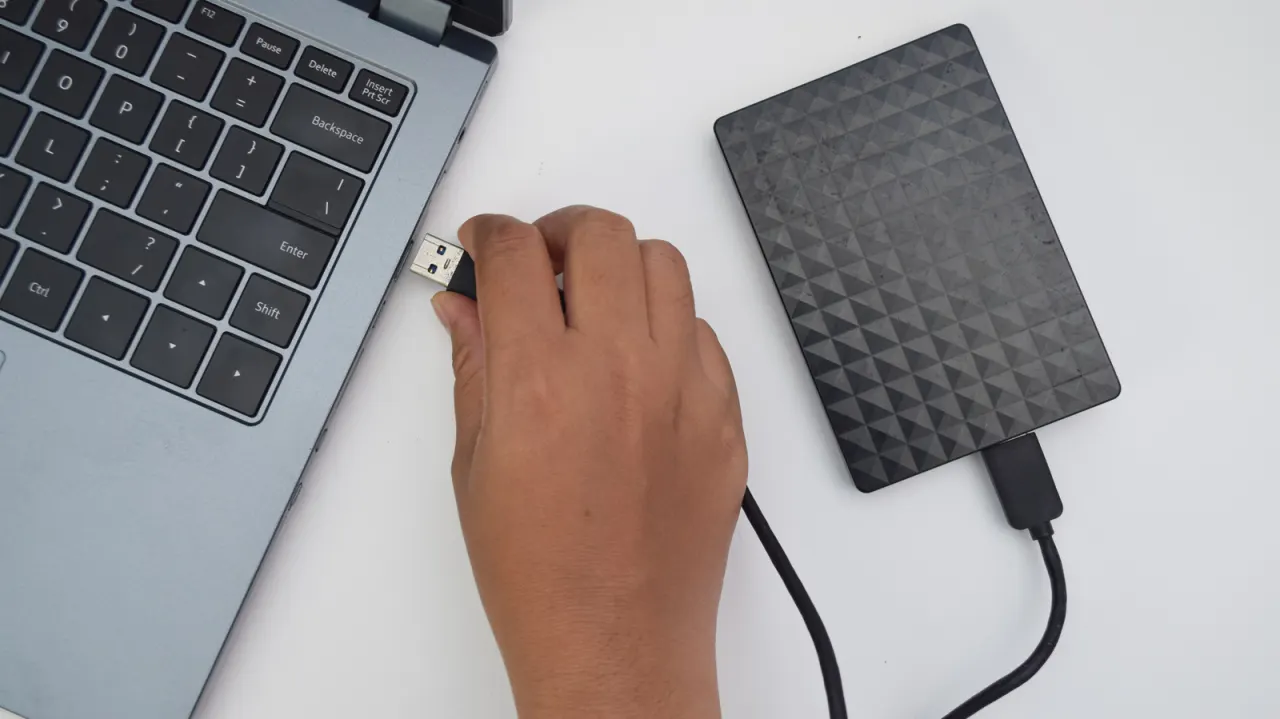
A dropped external hard drive may still contain recoverable data, but plugging it in to check can make damage worse. The drive’s moving parts sit extremely close together, so a fall can misalign the read/write heads and put stored files at risk.
Hard drives commonly spin at 5,400 or 7,200 RPM; if misaligned heads scratch the platters, each spin can spread damage and make professional recovery harder. The safest option for important, unbacked-up data is to leave the drive unplugged and seek a professional assessment. If you accept the risk of testing it, stop at abnormal noises or repeated restarts, and copy important files immediately if it works.
- Don’t plug in a hard drive after a serious fall.
- Spinning misaligned heads can scratch the platters and destroy data.
- For important files, seek professional recovery before testing.