Politics news and discussion on TalkFuse.
Why Trump only has a few weeks to restart Iran war — and what he could target with new strikes
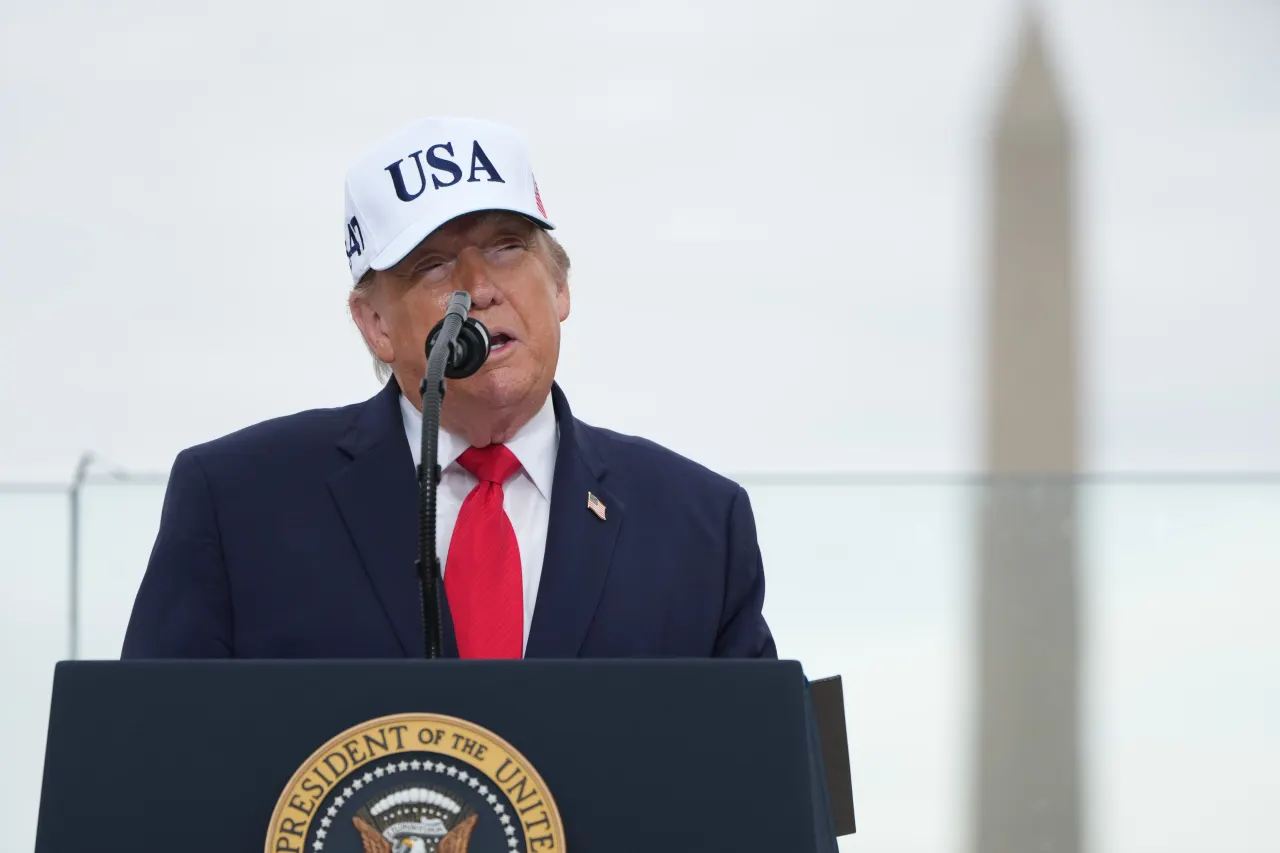
The article says President Donald Trump may have only a six-to-eight-week window after the US midterm elections to restart military action against Iran before a newly elected Congress could make it harder to continue. Experts quoted say a Democratic gain in the House could bring greater resistance from January, though it would not make renewed action impossible. Trump has also pressed for negotiations and warned he could resume attacks if Iran does not meet his demands.
One possible option would be a two-week bombing campaign against military sites and coastal bases near the Strait of Hormuz, although one expert doubts it would force Iran to negotiate. Escalation could include strikes on oil infrastructure, the electricity grid or the suspected underground nuclear site at Pickaxe Mountain; experts warn attacks on energy facilities could prompt Iranian retaliation. The article describes substantial US forces in the region, including two aircraft carriers, a third on its way, 22 destroyers and other warships, and around 50,000 US personnel.
In short
- Experts see a six-to-eight-week window for renewed US action.
- A short bombing campaign may not change Iran’s position.
- Strikes on energy sites could bring a strong response.
Steelman: both sides, in good faith
The strongest fair case each way — we don't pick a winner.
The case for
Supporters of renewed strikes could argue that a limited campaign against military sites might deter further threats, protect shipping through the Strait of Hormuz and strengthen the US position in negotiations. They may see the current military presence and political window as an opportunity to act before Iran’s capabilities or leverage grow, while judging that credible pressure could avert a wider conflict.
The case against
Opponents could argue that bombing may not bring Iran to the negotiating table and could instead trigger retaliation against US forces, regional partners or energy infrastructure. They may also contend that striking facilities such as the electricity grid or suspected nuclear sites risks civilian harm and a broader, harder-to-control war, while decisions about sustained military action should face meaningful congressional scrutiny.
Explained simply
The United States and Iran have a long-running dispute over Iran’s nuclear programme, regional influence and security. Their tensions have at times led to direct military action, while both countries have also pursued negotiations.
Donald Trump is the US president and commander-in-chief; Congress makes laws and oversees government spending, and can scrutinise military action. Iran’s government and armed forces would be central to any conflict, while the Strait of Hormuz is a narrow shipping route important for global oil supplies.
Any renewed fighting could affect people and infrastructure in the region, US forces stationed there and international energy markets. The scale of US military forces nearby is relevant to what operations might be possible, while the prospect of retaliation could widen the consequences.
Elections Government Middle East Politics World