Why parked electric cars can gradually lose battery charge
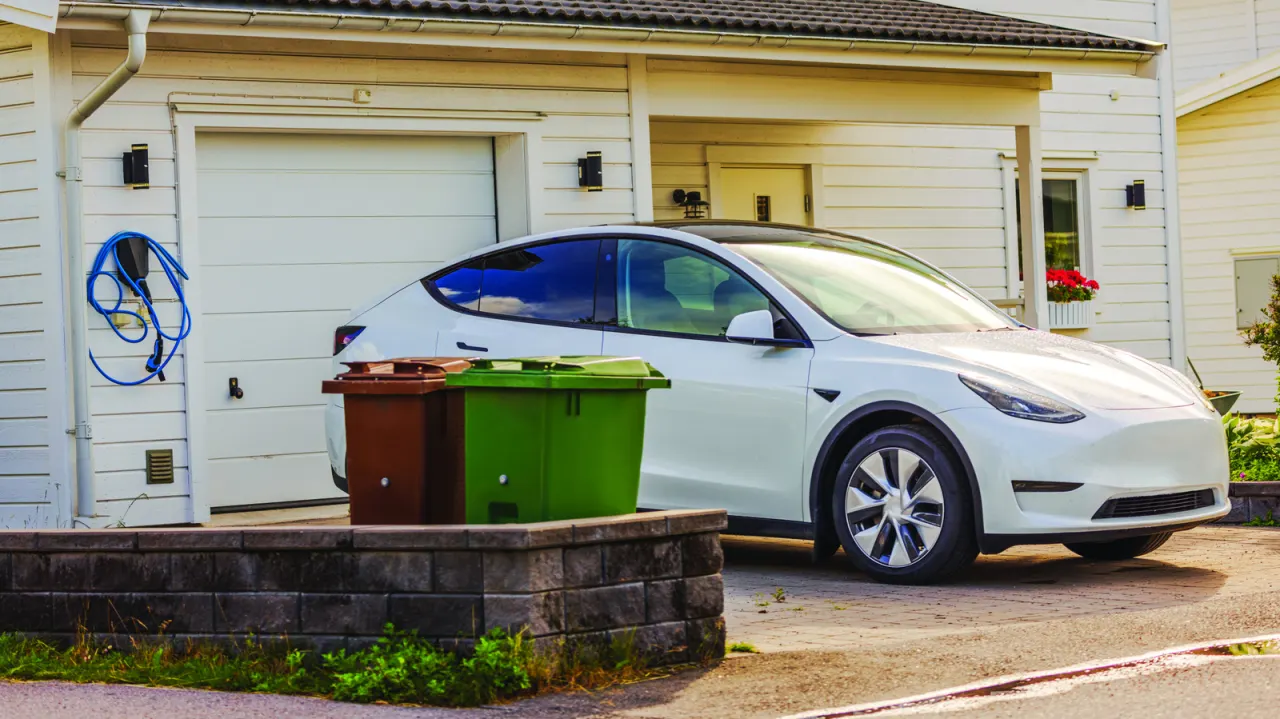
An electric vehicle can lose charge while parked because locking it does not switch off every system. Battery checks, maintaining the smaller 12-volt battery, connected services and features such as cabin climate control or vehicle surveillance can all use electricity, so losses may build up over a long trip away.
The amount varies with the car, its settings, the weather and how often apps wake it. Tesla says a Model 3 may lose about 1 per cent daily, while Recurrent reports sleeping Teslas can lose 0.1 to 0.3 per cent a day and cars running power-hungry features may lose several per cent. Cold weather can also change the range estimate without an equivalent drop in stored energy; for longer storage, Tesla advises keeping the Model 3 plugged in and at around 50 per cent charge.
In short
- Parked EVs still use power for checks and connected features.
- A Model 3 may lose about 1 per cent daily, depending on conditions.
- Disable unnecessary features or keep the car plugged in for long storage.
Explained simply
Electric cars use a large battery to power the motor and a smaller 12-volt battery for functions such as lights and electronics. Even when a car is locked, some systems remain active to check the batteries, run connected services or support features such as climate control and vehicle monitoring.
How much charge a parked car uses depends on its make, settings, temperature and how often its apps or systems wake up. In cold weather, the car’s estimate of how far it can travel may fall even when the stored energy has not dropped by the same amount. These differences matter when a car is left unused for a long time, as its owner may need to plan how much charge to leave in it.
Read the full article at the source →
Originally published by Engadget as “Why your EV battery still loses charge while it’s parked”.