Technology news and discussion on TalkFuse.
Palmer Luckey says his SLAB seastead is ‘way cooler’ than a floating data center
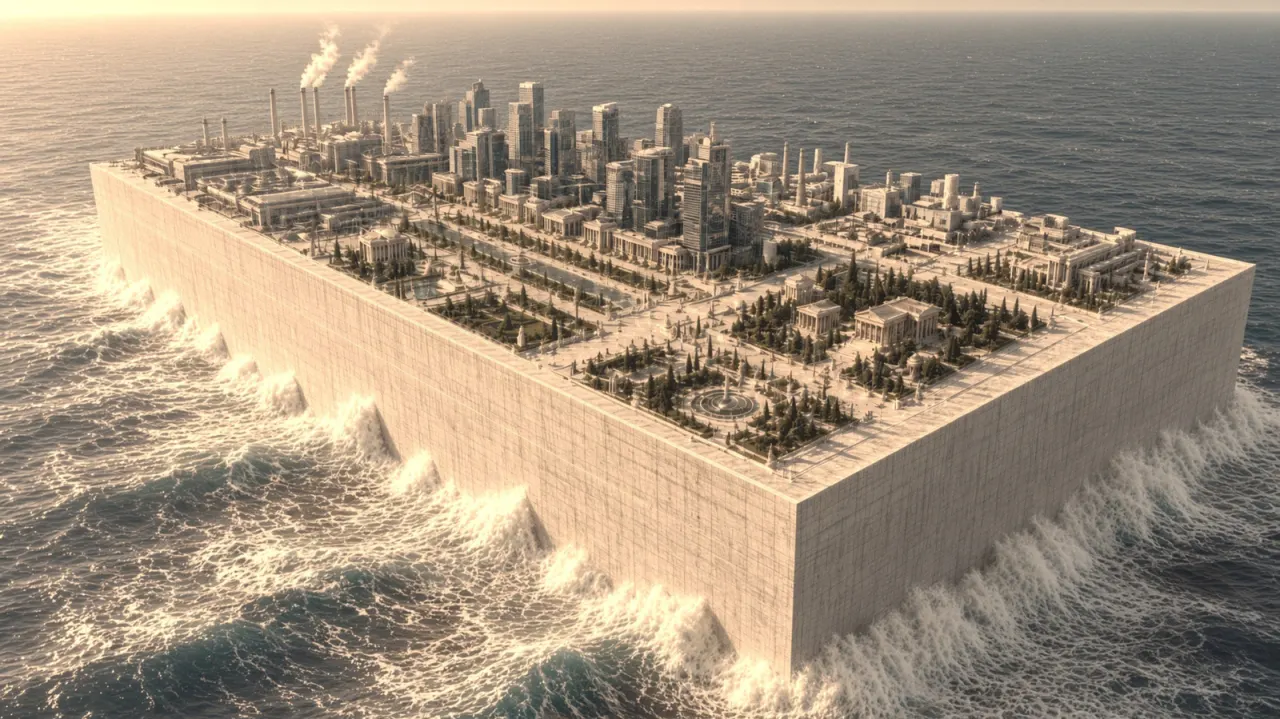
Palmer Luckey has promoted SLAB, an informal proposal for a floating seastead intended to function as a sovereign city-state. He says it would help strengthen the United States by giving industries room to operate beyond state and local regulations, and argues the idea is broader than a floating AI data centre.
Luckey says SLAB is designed to last 1,000 years and aims to be cheaper than building on land. He cites metal processing, medical research, desalination, oil refining and chemical engineering as potential beneficiaries; the project remains at an early stage, and the article notes that seasteading has long been discussed by technology investors including Peter Thiel and Joe Lonsdale.
In short
- Luckey is promoting a proposed floating city-state called SLAB.
- He says it could sidestep state and local regulations.
- The project is described as having a 1,000-year design life.
Steelman: both sides, in good faith
The strongest fair case each way — we don't pick a winner.
The case for
A seastead could provide space for industries that are costly or difficult to establish on land, while giving researchers and businesses room to experiment with new technologies and infrastructure. Supporters may argue that carefully designed rules outside state and local systems could encourage innovation, and that a durable offshore settlement could strengthen US industry if it proves practical and safe.
The case against
Creating a sovereign city-state offshore raises difficult questions about accountability, workers’ rights, environmental protection and who would enforce safety standards. Critics may also doubt that a project designed to last centuries and operate more cheaply than land-based facilities can meet those claims, especially while it remains an early-stage proposal.
Explained simply
A seastead is a proposed settlement built at sea, outside the usual territory of a country. SLAB is an early-stage proposal promoted by Palmer Luckey, a technology entrepreneur; it is intended as a city-state where businesses could operate under different rules from those on land.
Luckey says the structure could last for centuries and cost less to build than land-based facilities. He points to industries such as metal processing, medical research and desalination as possible uses. The idea matters because it raises questions about how settlements beyond national borders would be governed, and what rules would apply to the people and businesses there.