Here’s how much the MacBook Pro cost in 2021 vs. 2026
Developed over time first seen 3 hours ago
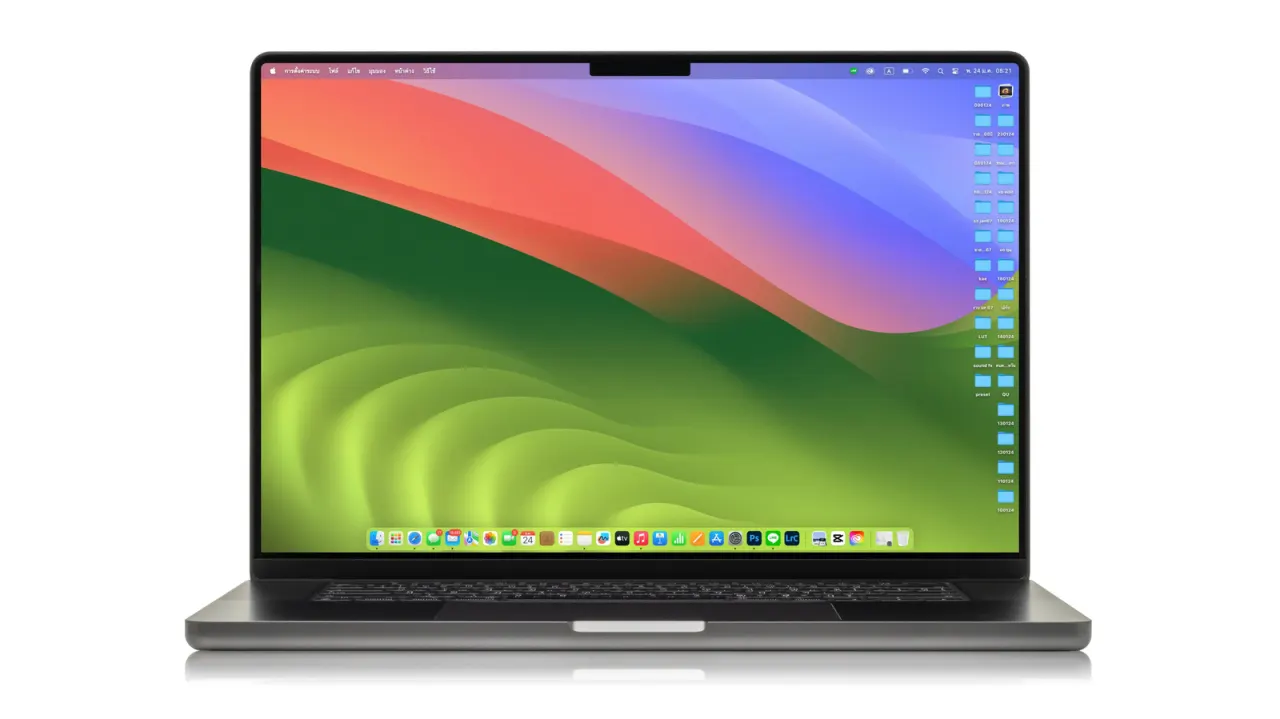
Apple’s 2026 MacBook Pro price rises have made its entry-level laptops markedly more expensive than their 2021 counterparts, despite five years of chip and performance improvements. The article attributes the increases to shortages of key components, including memory, as AI data centres drive up demand, and says the higher prices could persist for years.
The 2021 entry-level 14-inch and 16-inch models would cost about $2,467 and $3,084 respectively in 2026 after adjusting for US inflation. The current 14-inch model, which starts with an M5 chip rather than the older M1 Pro, was cheaper before a $300 increase; the 16-inch now costs $500 more than its 2021 equivalent. Its $3,000 price may prompt buyers to reconsider paying extra for the larger screen and more power.
- Component shortages have pushed MacBook Pro prices up.
- The 14-inch model rose by $300.
- The 16-inch now costs $500 more than in 2021.
New here? Start with this
The MacBook Pro is Apple's premium laptop line, aimed at professionals and power users. Entry-level models have become noticeably more expensive over the past five years, rising beyond what general inflation would explain.
Shortages of memory chips and other key components are driving the price increases. These components are in high demand from data centres running artificial intelligence systems, reducing supply for manufacturers and pushing up costs industry-wide.
For everyday consumers, higher prices mean fewer can afford a MacBook Pro, whilst others may settle for cheaper models or reconsider whether a larger screen and extra performance justify the additional cost.
Both sides, in good faith
The strongest fair case each way — we don't pick a winner.
The case for
The genuine scarcity in semiconductor and memory components, driven by AI data centre competition, represents real cost increases that manufacturers must address. These specific supply chain pressures aren't uniformly captured in general inflation measures, so Apple and component makers face genuine cost challenges. The M5 chip delivers meaningful performance improvements over five years, and maintaining innovation whilst navigating supply constraints necessarily involves difficult pricing trade-offs. Companies cannot indefinitely absorb all costs without compromising future product investment.
The case against
Whilst some cost increases are real, Apple's dominant market position and brand premium allow considerable flexibility that other manufacturers lack. A $500 increase beyond inflation-adjusted levels represents a substantial barrier to consumers who could previously afford this product category, effectively pricing them out. Apple has substantial profit margins and resources enabling it to absorb a portion of costs rather than passing them fully to consumers. The gap between inflation-adjusted and actual pricing suggests Apple is using supply chain pressures as an opportunity to expand margins, not merely recovering legitimate cost increases.
Full account
A comparison of MacBook Pro prices in 2021 and 2026 shows how much the cost of Apple’s professional laptops has changed over five years. The relevant report compares entry-level configurations, since choices such as memory and storage can substantially alter the final price. In 2021, Apple’s redesigned 14-inch and 16-inch MacBook Pros started at about $1,999 and $2,499 respectively, with M1 Pro chips. The 2026 range uses the newer M5 family of chips, but its entry-level 14-inch model has a standard M5 rather than a Pro chip, so the cheapest models are not direct equivalents.
Five years of inflation also change what a price comparison means. The report estimates that the 2021 starting prices would be equivalent to roughly $2,467 for the 14-inch model and $3,084 for the 16-inch model in 2026 dollars. On that basis, a higher price today does not necessarily mean a buyer is paying more in real terms. Those adjusted figures provide context, though they do not account for differences in the machines’ specifications or what an individual buyer needs from them.
Recent increases have nonetheless made the 2026 models more expensive than they were earlier in the year. According to the MacBook report, the entry-level 14-inch model rose by $300; before that rise, its listed price was below the 2021 model’s starting price. The 16-inch model now costs around $3,000, about $500 more than its 2021 counterpart in nominal dollars. That brings its current price close to the report’s inflation-adjusted estimate for the older machine. The newer chips offer advances in processing, graphics and gaming performance, but those improvements sit alongside a markedly higher upfront cost.
The MacBook report links the latest price rises to pressure on supplies of components such as memory and storage as demand from AI data centres grows. It presents that pressure as part of the explanation for Apple’s increases, rather than isolating how much each component contributed. The second supplied report examines PlayStation 5 prices, not MacBooks. It offers a broader example of electronics becoming dearer over time, but its console figures cannot establish why Apple set its laptop prices or supply missing MacBook price details.
Where outlets differ
Only the first supplied report covers MacBook Pro pricing. The second focuses on PlayStation 5 price rises and therefore provides no separate account with which to compare the MacBook figures or Apple’s stated reasons.