How to properly clean your solar panels (and why it’s important)
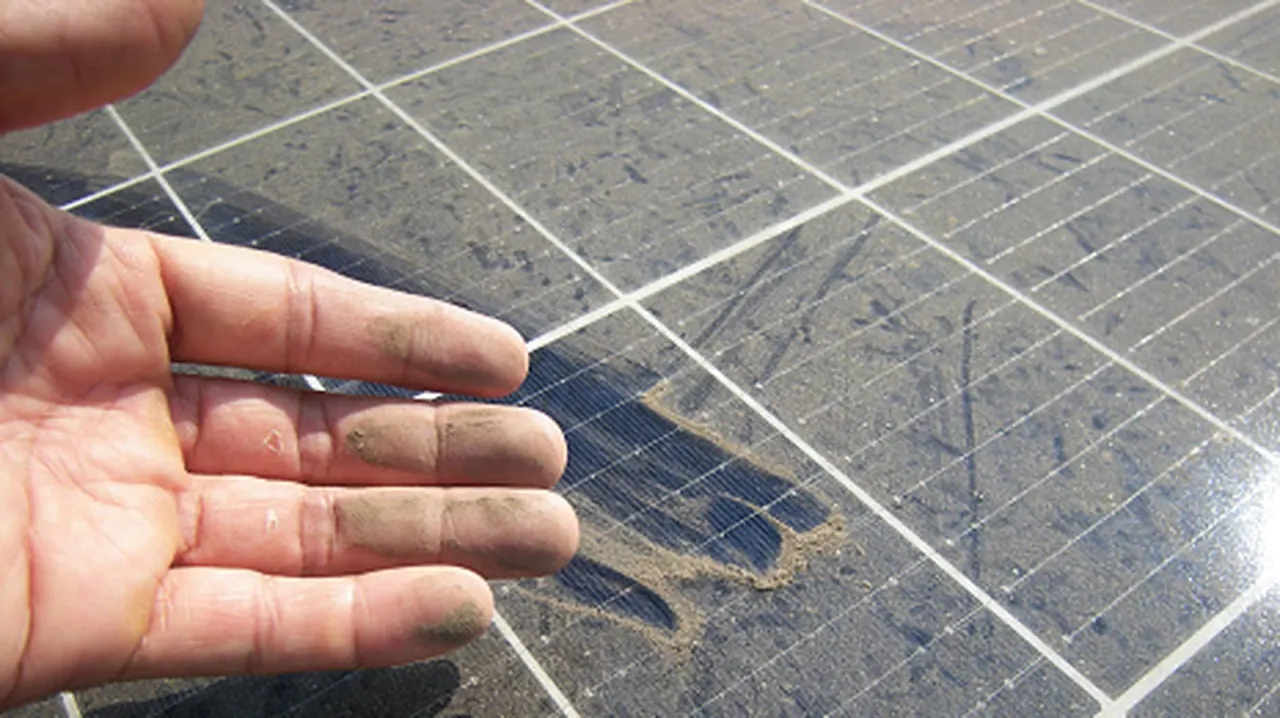
Dust, pollen and other grime can accumulate on solar panels and reduce their energy output, but the financial case for cleaning depends on location, rainfall patterns and panel angle. Improper cleaning techniques can cause more damage than the dirt itself, scratching the anti-reflective coating or leaving mineral deposits, making it crucial to understand when and how to clean properly.
Global solar power losses from soiling range from approximately 4 to 7 per cent, though pollen at some locations can reduce output by up to 15 per cent. Wet mechanical cleaning typically improves performance by 5 to 11 per cent, though financial payback depends on costs: cleaning that produces only $20 in additional electricity would need to persist for 10 months to justify a $200 service bill.
- Dirt reduces solar output 4-15%, but cleaning's only worthwhile if costs justify it.
- Improper cleaning damages panels more than dust itself.
- Monitor production data to decide if cleaning is needed.
New here? Start with this
Solar panels convert sunlight into electricity, but this efficiency depends on light reaching their surface. Dust, pollen, bird droppings and other grime can accumulate over time and block sunlight, causing solar panels to generate less electricity than they would if clean.
Deciding whether to clean your panels involves weighing the cost of cleaning against the value of additional electricity produced. This financial calculation varies by location, local rainfall patterns and the angle at which your panels are installed, meaning the right decision differs from home to home.
Using the wrong cleaning method can damage panels more than dirt itself would. Improper techniques can scratch protective coatings or leave mineral deposits that reduce panel efficiency, so understanding correct cleaning methods is crucial if you choose to clean them.