Judge Again Tosses Out Donald Trump’s $10 Billion Lawsuit Against The Wall Street Journal Over Its Reporting On Jeffrey Epstein Birthday Letter
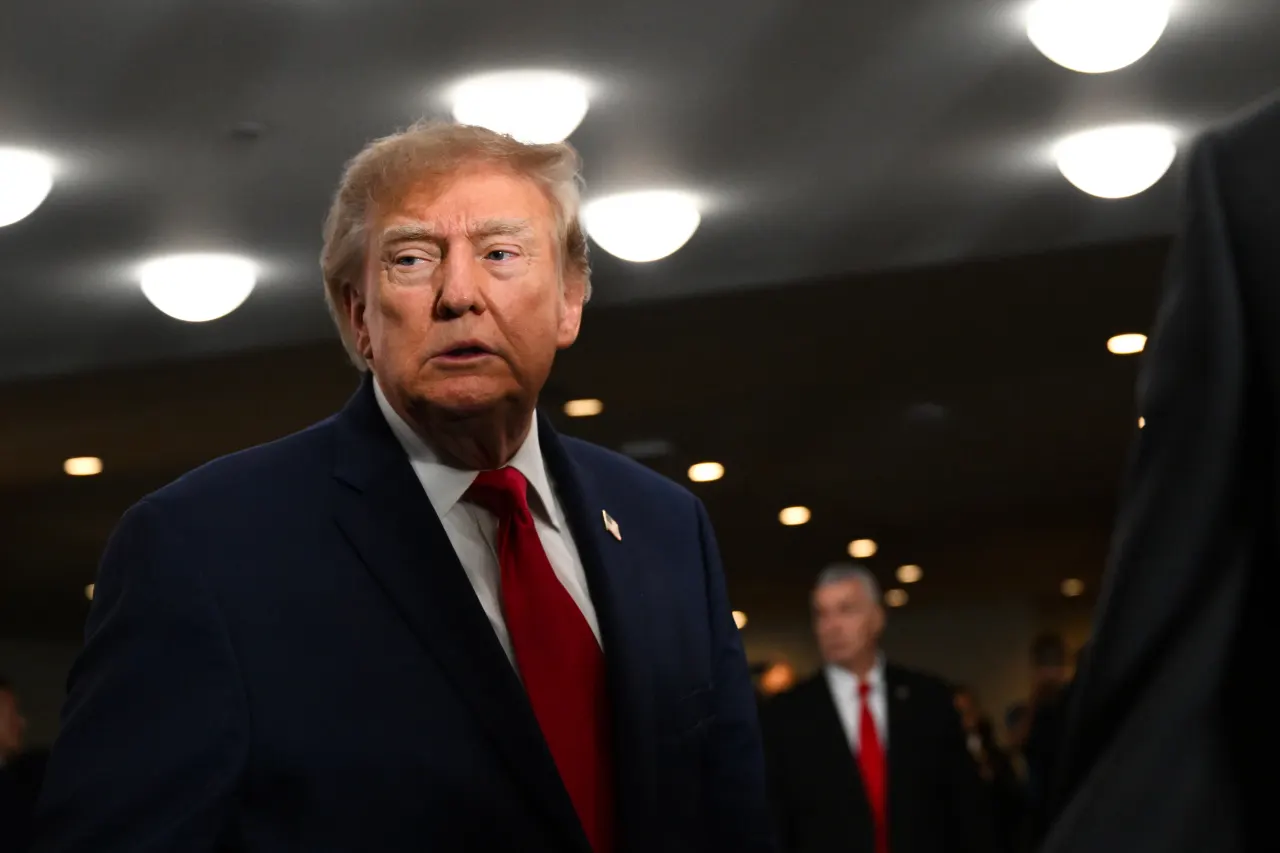
A federal judge has again dismissed Donald Trump’s $10 billion defamation lawsuit against The Wall Street Journal over its report about a letter bearing his name in Jeffrey Epstein’s 2003 birthday book. The ruling matters because Judge Darrin Gayles said Trump’s revised complaint did not adequately allege that the newspaper knowingly published false claims or acted with reckless disregard for the truth, and dismissed the case with prejudice.
The Journal reported that the letter included bawdy text and a drawing of a naked woman; Trump has denied writing it. The House Oversight Committee later released documents that included a letter matching the newspaper’s description. The judge did not decide who wrote the letter or whether the article’s claims were true or defamatory, but said Trump’s allegations did not meet the legal standard for public figures. Trump’s legal team said he would continue pursuing the case against the defendants, while Dow Jones welcomed the ruling.
In short
- Judge dismisses Trump’s $10 billion case with prejudice.
- He found the revised complaint did not sufficiently allege actual malice.
- The ruling did not decide who wrote the Epstein birthday letter.
Steelman: both sides, in good faith
The strongest fair case each way — we don't pick a winner.
The case for
Trump’s strongest case is that a report linking him to a sexually explicit letter in Epstein’s birthday book could seriously damage his reputation if the attribution was wrong. A public figure should still be able to seek redress for false reporting, and the legal standard should not make that remedy impossible where there is evidence of knowing or reckless disregard for accuracy.
The case against
The Journal’s strongest case is that reporting on a matter of public interest is protected when journalists take care to verify their claims, even if a subject disputes them. Defamation law sets a demanding standard for public figures to protect robust reporting, and the judge found Trump’s revised complaint did not adequately allege the required state of mind; the ruling did not determine who wrote the letter or whether the report was true.