Michelle Obama shrugs off missing active motherhood after daughters leave, says, ‘I’m good’
Developed over time first seen 2 months ago
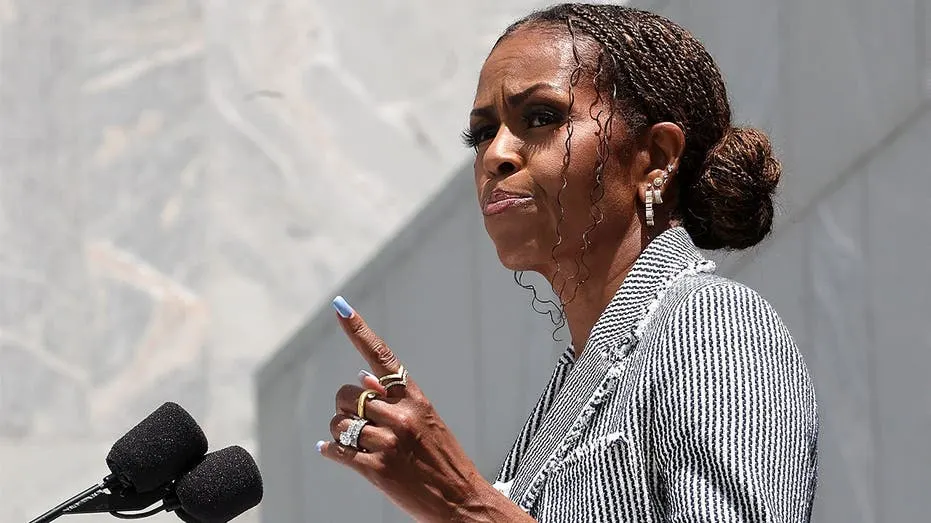
Michelle Obama’s remarks about not missing having her adult daughters at home prompted criticism from conservative commentators, who interpreted them as dismissive of motherhood. The discussion has become part of a broader public debate about parenting, independence and how mothers describe the empty-nest stage.
On Jon Stewart’s “IMO” podcast, Obama said she loved Malia and Sasha and was due to have dinner with them, but welcomed their independence and the end of worrying about their whereabouts. She contrasted her reaction to their leaving university with Barack Obama’s tears, saying she had spent extensive quality time raising them and now valued control over her own schedule; she also said both parents prioritised time with their daughters during his eight years as president.
- Michelle Obama welcomed her daughters’ independence after they left home.
- Conservative critics said her comments showed resentment towards motherhood.
- Obama stressed her love for her daughters and their close relationship.
New here? Start with this
Michelle Obama is a former US first lady and the wife of former president Barack Obama. They have two daughters, Malia and Sasha, who are now adults and live independently after growing up largely in the public eye during their father’s presidency.
An “empty nest” refers to the period when parents’ children leave home, often for university or work. Parents can have very different reactions to it, including sadness, relief or a mixture of both, and public discussions about the subject often focus on expectations placed on mothers.
In the United States, comments by prominent women about family life can quickly become part of wider political and cultural debates. Conservative commentators have often criticised public figures they believe challenge traditional ideas about motherhood, while others argue that parents should be able to describe the pressures and rewards of raising children openly.
Both sides, in good faith
The strongest fair case each way — we don't pick a winner.
The case for
Supporters argue that Obama expressed a healthy, loving acceptance of her daughters’ adulthood rather than rejection of motherhood. They note that parents can cherish the years spent raising children while also welcoming greater personal autonomy and reduced day-to-day worry once children are independent. On this view, speaking candidly about mixed feelings around an empty nest makes room for a more realistic account of parenting.
The case against
Critics argue that a highly publicised mother describing herself as glad to be free of monitoring her children may sound dismissive of the sacrifices and emotional bonds involved in motherhood. They worry that such remarks, especially when framed as relief, can be interpreted as treating children primarily as a burden rather than as a continuing source of family life. On this view, public figures should take particular care to acknowledge that many parents experience an empty nest as a genuine loss.
Full account
Michelle Obama said she does not miss having her daughters living at home, while stressing that she remains close to them and was due to see them for dinner. She made the comments during an episode of her podcast, IMO, in a conversation with comedian Jon Stewart and her brother and co-host, Craig Robinson.
The discussion turned to the demands and routines of bringing up children alongside busy careers, and to the adjustment when children leave home. Stewart described parenting as having provided structure and purpose in his daily life. Obama responded that she was content with her present circumstances, recalling that Barack Obama had been more emotional when their daughters went to college.
Obama said that, during their daughters’ younger years, Friday evenings could bring anxiety about their whereabouts. She added that she valued the independence her daughters had gained and felt she had already had extensive, meaningful time with them. She also said she now appreciated having greater control over her own schedule.
A short clip of the exchange prompted contrasting reactions online. Some parents said they strongly identified with continuing to miss or worry about adult children, while others treated Obama’s remarks as an understandable expression of relief after years of intensive parenting. Critics cited in the reports interpreted her tone as dismissive of motherhood, whereas her fuller comments framed it as confidence in her daughters’ development and enjoyment of the next stage of family life.
Where outlets differ
Fox News Digital foregrounds criticism from conservative commentators and a Republican delegate, presenting the remarks within a wider argument about attitudes towards motherhood and alleging that they suggested resentment. The second report concentrates more on the podcast exchange itself and the divided reactions on social media, including parents who said they could not relate. Both reports include Obama’s statements of affection for her daughters and her appreciation of their independence.