The five dramatic days that shook Infantino and world football
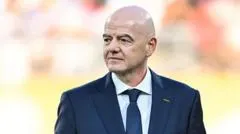
Gianni Infantino has withdrawn a controversial plan to bring private investment into World Cup funding after five days of intense criticism, culminating in Uefa saying it had “lost confidence” in his leadership. The dispute has revived comparisons with the failed European Super League, raising wider concerns about commercialisation, transparency and who controls football’s money.
Fifa, a not-for-profit body with reserves of more than $2bn (£1.48bn), is expected to report record World Cup-related revenues of about $15bn (£11.13bn). Under the proposal, national associations that signed up by 19 September could have received an additional $40m (£29.67m) for development, but critics questioned why private finance was necessary and said many senior Fifa figures had not been told about the plan.
- Fifa abandoned Infantino’s private-investment World Cup plan after widespread opposition.
- Uefa said it had lost confidence in Infantino’s leadership.
- Critics questioned secrecy despite Fifa’s substantial financial reserves.
New here? Start with this
Fifa runs international football and organises the men’s and women’s World Cups. Its members are national football associations, while Gianni Infantino is its president. Money from the tournaments helps fund football projects around the world, including through payments to national associations.
The row concerns how Fifa should pay for that work and who should oversee decisions about its finances. The proposed private investment was presented as a way to provide extra development funding, but critics questioned its need given Fifa’s reserves and expected World Cup income, and raised concerns about how the plan was developed.
The dispute echoes the debate over the proposed European Super League, a breakaway competition opposed by many fans and football bodies. Both arguments touch on how commercial interests, financial transparency and decision-making power shape the sport.
Both sides, in good faith
The strongest fair case each way — we don't pick a winner.
The case for
Private investment in sports infrastructure represents an established mechanism employed by international bodies worldwide, and FIFA's operational scale reasonably justifies exploring external capital arrangements to supplement development funding. Proponents contend that the proposed £29.67m per association constitutes genuine additional value for participating nations, and that executive decisiveness in pursuing innovative financing—whilst benefiting from improved communication—should not be dismissed as governance failure when comparable organisations utilise similar mechanisms.
The case against
Critics raise fundamental governance concerns: FIFA's substantial financial reserves make an urgent rationale for expedited private investment unclear, whilst lack of consultation with senior figures suggests process deficiencies that compound institutional trust erosion. Opponents argue that transparency and stakeholder consultation represent non-negotiable principles for legitimacy in international sports administration, not procedural inconveniences warranting circumvention for operational efficiency.