US military archbishop urges Catholic soldiers to refuse involvement in Army firing squad execution
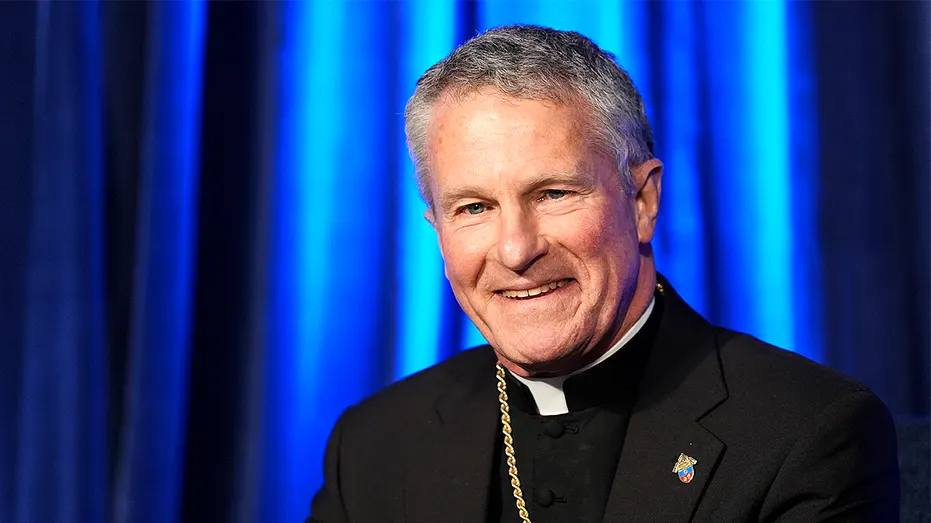
Archbishop Timothy Broglio has urged Catholic soldiers assigned to the planned firing squad execution of Nidal Malik Hasan to seek religious exemptions. He says taking part would conflict with Catholic teaching and questions whether broadcasting the execution would serve any purpose.
Hasan, a former Army psychiatrist, was convicted of killing 13 people and wounding 32 in the 2009 Fort Hood shooting. The Army says the execution is planned for 3 December at Fort Hood; it would be the first US military firing squad execution since 1945 and the first military execution by any method since 1961. The Pentagon has proposed livestreaming it, drawing criticism from Catholic leaders, including Pope Leo XIV, who opposes the death penalty.
- Broglio urges Catholic soldiers to seek exemption from Hasan’s execution.
- The Pentagon has proposed livestreaming the execution.
- Catholic leaders condemn the death penalty and public spectacle.
New here? Start with this
Nidal Malik Hasan was an Army psychiatrist convicted of carrying out a mass shooting at Fort Hood military base in Texas in 2009, in which he killed 13 people and wounded 32 others. He was sentenced to death for the attack.
The execution scheduled for 3 December would be the first military firing squad execution in the United States since 1945 and the first military execution of any kind since 1961. Military executions have become exceptionally rare in modern America.
The Pentagon has proposed livestreaming the execution, which the Catholic Church opposes. Pope Leo XIV and other Catholic leaders, including Archbishop Timothy Broglio who serves the US military, have expressed concerns about both the death penalty and broadcasting the execution publicly.
Both sides, in good faith
The strongest fair case each way — we don't pick a winner.
The case for
Catholic teaching holds that human dignity and the sanctity of life are inviolable, making capital punishment incompatible with Christian faith. Soldiers should be able to exercise conscience rights rooted in their religious convictions; forcing them to participate in an execution—particularly one being livestreamed, which transforms a judicial act into public spectacle—violates both their faith and their fundamental freedom of conscience. The Church's position reflects the view that justice can be served through means other than death, and that even those guilty of grave crimes retain their human dignity.
The case against
Nidal Malik Hasan was convicted through proper military courts martial of murdering thirteen people in a horrific attack on a military installation. Military discipline and the chain of command depend on soldiers' ability to carry out lawful orders, and broadening conscience exemptions in military contexts could undermine unit cohesion and operational readiness. Those who join the military accept certain obligations that may conflict with personal beliefs; a death sentence handed down by a lawful tribunal represents an exercise of justice and accountability, not an arbitrary act, and the purpose of execution includes closure for victims' families and affirmation of the gravity of his crimes.