Multiple router antennas support faster speeds and simultaneous device connections
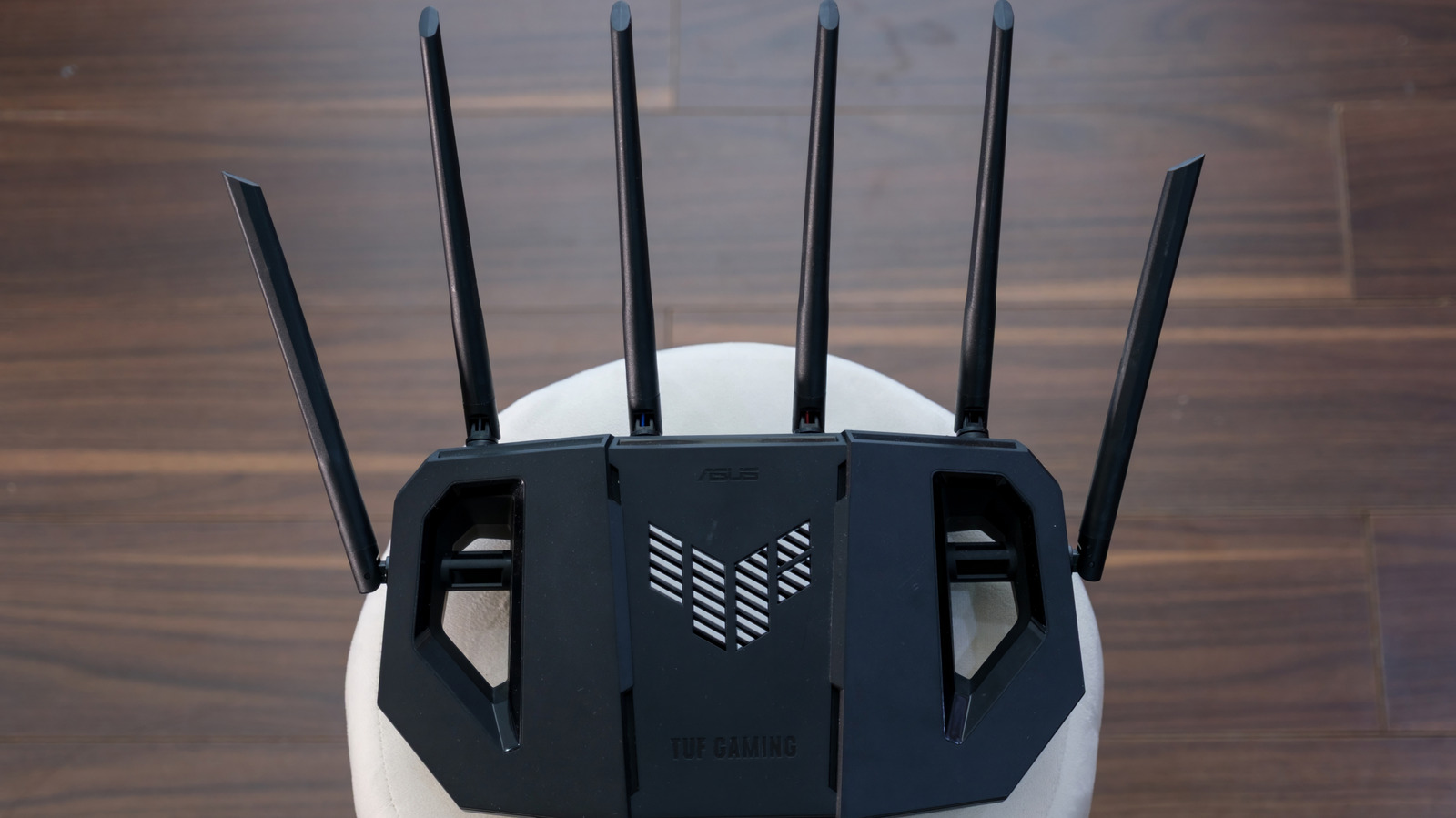
Modern Wi-Fi routers often ship with multiple antennas, sometimes as many as eight, because a single antenna can no longer keep up with today's faster internet speeds and the sheer number of connected devices in a typical household. While it might look like a marketing gimmick, the extra antennas serve genuine technical purposes when paired with technology called MIMO (multiple-input, multiple-output), which allows routers to handle several streams of data simultaneously rather than one at a time.
Multiple antennas enable techniques such as beamforming, which focuses a router's signal towards specific devices, and MU-MIMO, which lets a router communicate with several devices at once instead of cycling between them. They also improve signal reliability, since having antennas spaced apart increases the chance that at least one receives a clean signal despite interference from walls or furniture. However, for most homes, a router with two to four antennas is sufficient, with eight-antenna models generally seen as overkill; factors like Wi-Fi standards and software matter just as much as antenna count, and a mesh network is often a better solution than more antennas for households ultimately after wider coverage.
- Multiple antennas let routers handle several data streams via MIMO technology
- They enable beamforming, MU-MIMO and more reliable signal reception
- Most homes only need 2-4 antennas; eight is usually overkill
Read the full article at the source →
Originally published by Engadget as “Why do routers have so many antennas?”.