Heirs to $11 billion Jack Daniel’s fortune locked in bitter family feud as rebel brothers take aim at relatives over takeover bid
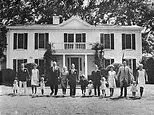
Two brothers who are heirs to the Brown-Forman fortune, which owns Jack Daniel's, have publicly clashed with the rest of their family over the company's leadership and its rejection of a $15 billion (£11.8bn) takeover approach. WL Lyons Brown III and Stuart R Brown sent a scathing letter to relatives on 10 July accusing the board of "rewarding failure" and criticising falling sales, a slumping share price and a failed merger attempt with French drinks giant Pernod Ricard. The row matters because it exposes deep divisions within one of America's wealthiest whiskey dynasties over how a $11 billion family business should be run and who should control it.
The brothers, who are not currently active in the firm despite being sons of a former chairman, said Brown-Forman's shares had fallen from the mid-$70s to the mid-$20s over three years and singled out chief executive Lawson Whiting for "poor operating performance" and rising personal pay; Whiting has since announced he will step down. The company also rejected an unsolicited $15 billion bid from Kentucky rival Sazerac, laid off 12% of its workforce last year, and saw a blackberry-flavoured Jack Daniel's variant reportedly flop. Despite their outspoken stance, the pair hold limited voting power because they never joined Wolf Pen Branch, the family investment vehicle that controls about 60% of voting shares among the roughly 180 Brown family descendants.
- Two Brown-Forman heirs publicly attacked family's handling of Jack Daniel's business
- They urged relatives to weigh a rejected $15bn Sazerac takeover offer
- CEO Lawson Whiting criticised over performance, now stepping down
New here? Start with this
Two brothers from the family behind Jack Daniel's maker Brown-Forman have publicly broken ranks with their relatives over how the drinks giant is being run. WL Lyons Brown III and Stuart R Brown wrote to family members accusing the company's board of poor management, pointing to a sharply falling share price and weak sales. Their intervention matters because it exposes a rift at the top of one of America's oldest and wealthiest whiskey-making families.
At the centre of the row is Brown-Forman's decision to turn down an unsolicited $15 billion takeover approach from rival distiller Sazerac, alongside criticism of chief executive Lawson Whiting's performance and pay, and a previous failed tie-up with French drinks firm Pernod Ricard. The brothers are sons of a former chairman but are not themselves currently involved in running the company.
Despite speaking out loudly, the brothers actually have little formal say over Brown-Forman's future. Control of the firm rests largely with Wolf Pen Branch, a family investment vehicle that holds most of the voting shares on behalf of around 180 descendants of the Brown family, and the two brothers are not members of it.
Both sides, in good faith
The strongest fair case each way — we don't pick a winner.
The case for
Those sympathetic to the rebel brothers argue that a public company's board owes accountability to all shareholders, not just family tradition, and that persistent share price declines, workforce cuts, a stumbled merger attempt and rising executive pay amid weak results are exactly the kind of failures that justify seriously entertaining a substantial buyout offer. From this view, rejecting a $15 billion approach without a clearly superior alternative looks like entrenchment dressed up as stewardship, and raising the alarm – even from outside the company – is a legitimate exercise of an owner's voice when performance has visibly slipped.
The case against
Those defending the board and the wider family argue that stewardship of a storied, generations-old brand is not the same as running an ordinary listed company, and that resisting a takeover can reflect a considered judgement that independence better protects long-term value, jobs and heritage than a quick sale at a headline price. They may also note that the spirits industry as a whole has faced falling demand and share prices in this period, that difficult but necessary steps like layoffs and product rationalisation can be signs of discipline rather than failure, and that the critics, having chosen not to join the family's governing investment vehicle, are voicing an outsider's opinion rather than exercising the responsibility that comes with active ownership.