Why CPU overclocking is mostly now a thing of the past
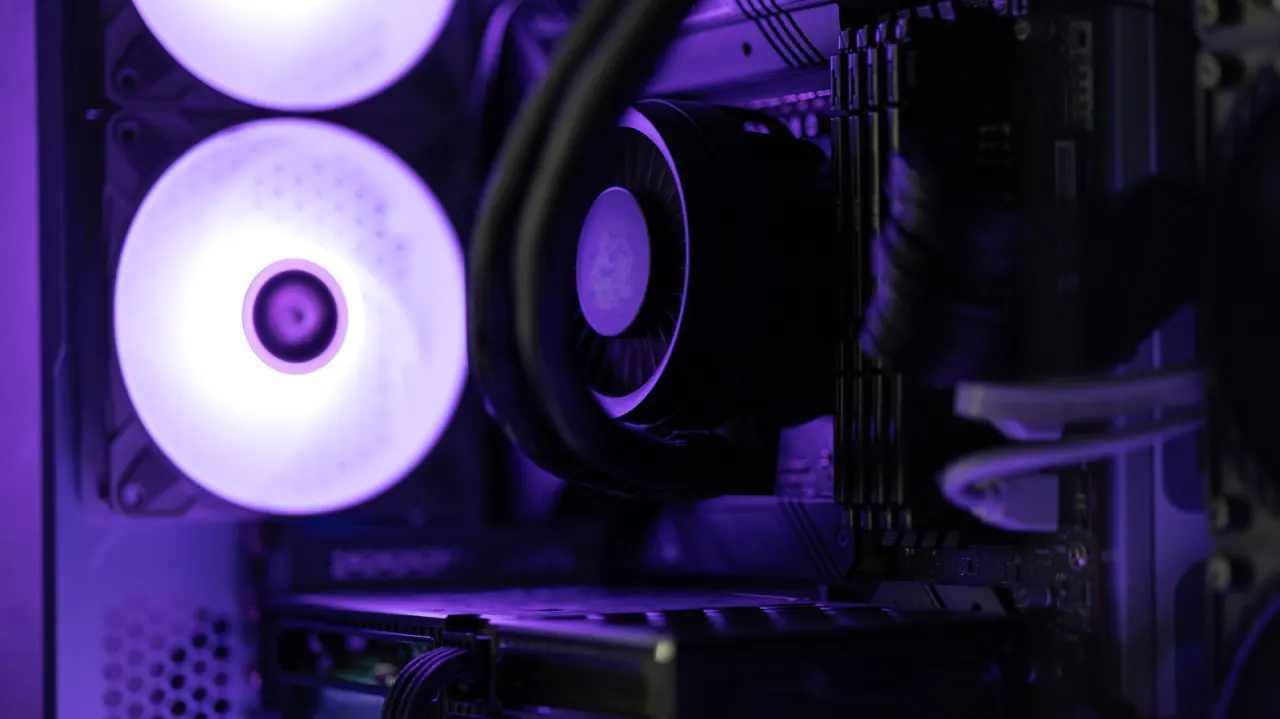
Traditional manual CPU overclocking has become less popular because modern processors and motherboards already raise clock speeds automatically when workloads and temperatures allow. This matters because enthusiasts may now see smaller gains from manually tuning a chip, while automated features have made much of the old process unnecessary.
Motherboards may offer Multi-Core Enhancement or Enhanced Turbo, while AMD Ryzen chips support Precision Boost Overdrive, which can raise power limits when cooling permits. The article says modern chips are also tuned closer to their practical limits from the factory, and extra performance can bring more heat and power use. In one example, a Ryzen 7600 reached 85 to 90°C under load with its stock cooler, leaving little thermal headroom; a Peerless Assassin 120 is cited as a sub-$50 cooling option.
- Automatic boost features have replaced much manual overclocking.
- Modern CPUs leave less performance headroom from the factory.
- Higher clocks can require better cooling and more power.
New here? Start with this
CPU overclocking is the practice of pushing processors faster than their factory settings to gain extra performance. For decades, computer enthusiasts would manually adjust settings to squeeze more speed from their chips, often using specialised software or motherboard controls. However, modern processors and motherboards now automatically increase clock speeds when workloads demand it and temperatures allow, making much of this manual work less necessary.
Modern processors from manufacturers like AMD and Intel already come with automatic boosting features built in. AMD Ryzen chips support Precision Boost Overdrive, whilst many motherboards offer Multi-Core Enhancement or Enhanced Turbo to raise speeds automatically. These systems are designed to maximise performance within safe operating limits, and chip makers now tune their products closer to practical limits from the factory, reducing the potential gains enthusiasts might achieve through manual tweaking.
This shift matters because it changes how people can improve their systems. Whilst manual overclocking once promised noticeable speed improvements, modern chips offer fewer opportunities for additional gains, and pushing beyond automatic limits brings increased heat and power consumption with diminishing returns.
Both sides, in good faith
The strongest fair case each way — we don't pick a winner.
The case for
Modern processors feature automated boost technologies that already optimise clock speeds and deliver most of the performance improvements that manual overclocking once promised. Manufacturers now tune chips close to their practical limits from the factory, and the thermal and power constraints mean additional manual tweaking offers diminishing returns, making traditional overclocking unnecessary for most users seeking performance gains.
The case against
Whilst automated systems are effective, they remain conservative by design to ensure universal stability across all processor variations, meaning manual overclocking can still deliver measurable performance improvements for dedicated enthusiasts. The overclocking community remains active and substantial, and for competitive gaming, benchmark pursuits, and technical hobbyists, the gains achievable with proper cooling and careful tuning continue to be meaningful and worthwhile.